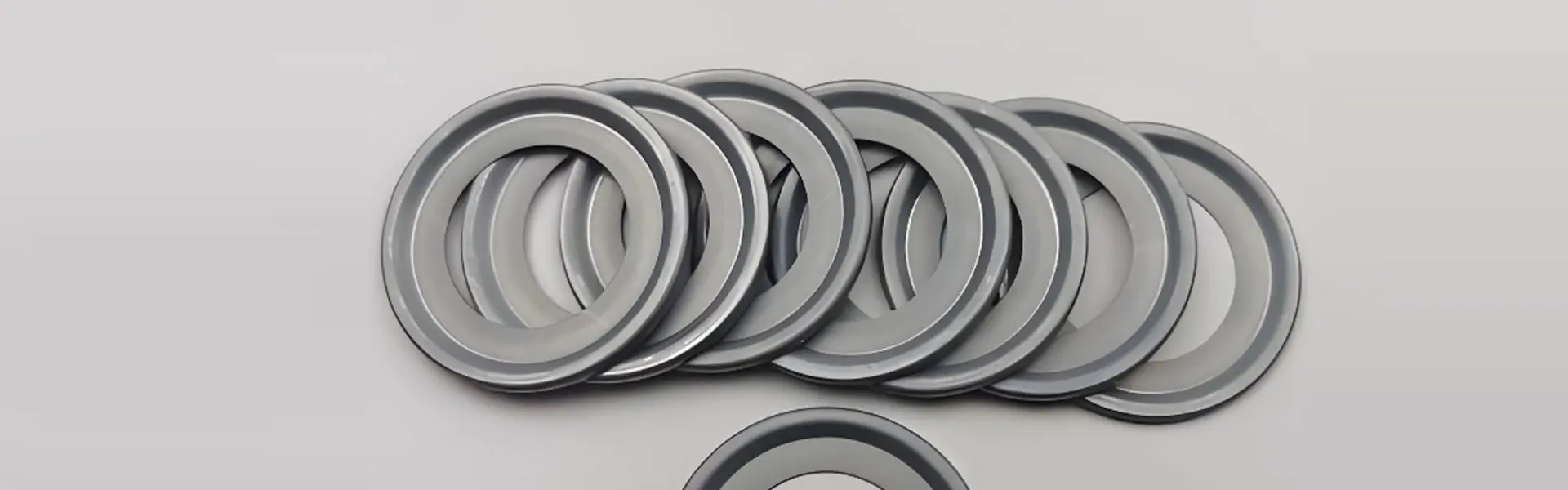
In the world of high-performance insulation and dielectric materials, the Mica sheet stands out as a remarkable and versatile solution. Mica is a naturally occurring silicate mineral known for its unique combination of properties: exceptional thermal stability, high dielectric strength, chemical inertness, and mechanical integrity. When processed into thin, flexible sheets, these inherent qualities make mica an indispensable component across numerous demanding industries. At Kaxite, we specialize in engineering premium-grade mica sheets that meet and exceed the rigorous standards of modern technology and manufacturing.
Choosing the right insulating material is critical for safety, efficiency, and longevity. Kaxite mica sheets offer a superior profile compared to many synthetic alternatives.
To ensure you select the perfect material for your application, here are the detailed specifications of our standard and custom mica sheet offerings.
| Type | Base Material | Binder/Backing | Continuous Use Temp | Key Characteristics | Typical Applications |
|---|---|---|---|---|---|
| Muscovite Mica Sheet | Natural Muscovite Mica | Silicone Resin, Epoxy, or None (Pure) | Up to 600°C (Silicone) | Superior dielectric strength, excellent high-frequency performance. | High-voltage insulation, capacitor dielectrics, vacuum tubes. |
| Phlogopite Mica Sheet | Natural Phlogopite Mica | Silicone Resin, Polyimide | Up to 1000°C (Silicone) | Higher heat resistance, good thermal stability, slightly lower dielectric strength than Muscovite. | Heating elements, furnaces, thermal barriers in aerospace. |
| Synthetic Mica Sheet (Fluorophlogopite) | Lab-grown Mica | Inorganic Silicate, Silicone | Up to 1100°C | Ultra-high purity, no metal impurities, superior thermal shock resistance. | Semiconductor processing, high-end lab equipment, precision sensors. |
| Flexible Composite Sheet (Micanite) | Mica Splittings or Paper | Silicone, Epoxy, Glass Cloth | 130°C - 800°C (varies by binder) | Highly flexible, cost-effective, good machinability. | Motor slot liners, commutator insulation, gaskets. |
| Rigid Mica Plate | Mica Splittings or Paper | High-Temp Epoxy or Inorganic Binder | Up to 700°C | High mechanical rigidity and structural strength. | Support plates in heaters, insulating structural components. |
| Parameter | Standard Range / Value | Test Standard | Notes |
|---|---|---|---|
| Thickness | 0.05mm - 3.0mm | ASTM D374 | Custom thicknesses available upon request. |
| Density | 1.8 - 2.6 g/cm³ | ASTM D792 | Varies with mica type and binder content. |
| Dielectric Strength (kV/mm) | 15 - 50 kV/mm | ASTM D149 | Highly dependent on thickness, grade, and binder. |
| Volume Resistivity | 10^12 - 10^15 Ω·cm | ASTM D257 | At room temperature and 500°C. |
| Thermal Conductivity | 0.3 - 0.8 W/(m·K) | ASTM E1225 | Acts as an effective thermal barrier. |
| Operating Temperature Range | -270°C to +1000°C+ | - | Specific range depends on mica type and binder system. |
| Tensile Strength | 80 - 150 MPa | ASTM D638 | For flexible composite sheets with glass backing. |
| Flame Resistance | UL94 V-0 | UL 94 | Most Kaxite mica sheets achieve the highest rating. |
What are the main differences between Muscovite and Phlogopite mica sheets?
Muscovite mica (white mica) offers the highest dielectric strength and performs exceptionally well in high-frequency electrical applications. It has a slightly lower thermal limit (around 600°C continuous). Phlogopite mica (amber mica) can withstand significantly higher temperatures (up to 1000°C continuous), making it the preferred choice for extreme heat applications like heating elements and furnace windows, though its dielectric properties are marginally lower than Muscovite.
Can Kaxite mica sheets be machined or fabricated?
Yes, absolutely. Kaxite mica sheets are highly fabricable. They can be accurately cut using laser cutting, die punching, CNC routing, or even hand shears for prototyping. They can also be drilled, stamped, and bent to form complex shapes. For rigid plates, machining like milling is possible. We offer custom fabrication services to deliver parts ready for installation.
Are mica sheets safe and environmentally friendly?
Kaxite mica sheets are inherently safe materials. They are non-toxic, asbestos-free, and do not release harmful substances under high temperatures. Natural mica is a mined mineral, and at Kaxite, we are committed to responsible sourcing. Our synthetic mica option provides an even more controlled and pure material stream. Mica sheets are durable and long-lasting, contributing to product longevity and reduced waste.
How do I select the right binder (silicone, epoxy, etc.) for my application?
The binder choice is crucial. Silicone resin-bonded sheets offer the best flexibility and the highest temperature resistance (up to 1000°C). Epoxy-bonded sheets provide excellent mechanical strength and moisture resistance but have a lower thermal limit (typically 130°C-180°C). For applications requiring ultimate purity and temperature resistance with no outgassing, inorganic-bonded or pure, binder-free mica sheets are the optimal choice. Our technical team can guide you based on your specific electrical, thermal, and environmental requirements.
Can mica sheets be used as a thermal insulator?
While mica is an excellent electrical insulator, its thermal conductivity is relatively low, making it a good thermal barrier as well. It effectively withstands and isolates high heat, protecting adjacent components. However, for applications requiring extremely low thermal conductivity (like cryogenic insulation), specialized multilayer composites might be recommended. Kaxite mica sheets excel in applications where both electrical insulation and thermal barrier properties are needed simultaneously.
How does Kaxite ensure the quality and consistency of its mica sheets?
Kaxite implements a rigorous quality control system from raw material selection to final shipment. We source high-grade mica from trusted mines and utilize advanced manufacturing processes. Every production batch undergoes stringent testing for key parameters like dielectric strength, thickness tolerance, and thermal endurance. Our certifications and detailed material data sheets provide full traceability and performance guarantees for our customers.
What industries commonly use Kaxite mica sheets?
Our mica sheets serve a vast array of industries: Electrical & Electronics (motors, generators, transformers, capacitors, PCB insulating barriers), Home Appliances (toasters, hair dryers, space heaters), Automotive & Aerospace (EV battery insulation, heating systems, flight hardware), Industrial Heating (furnace elements, industrial heaters, welding equipment), and Laboratory/High-Tech (semiconductor furnaces, precision instruments).
Do you offer custom-sized or shaped mica sheet parts?
Yes, customization is a core strength at Kaxite. We can supply mica sheets in custom rolls, sheets, or pre-fabricated components per your exact drawings and specifications. This includes specific thicknesses, hybrid composites with films or foils, and complex punched or laser-cut shapes to reduce your assembly time and cost.