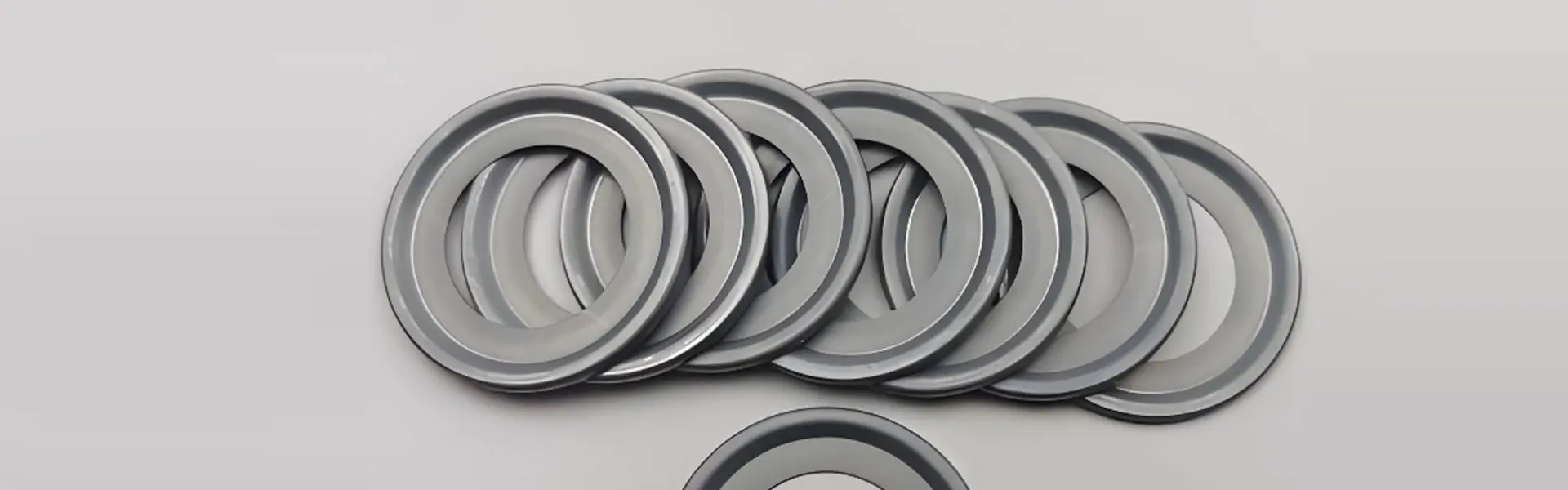
A Graphite Sheet is a highly efficient thermal management material crafted from natural or expanded graphite. Through specialized processing, the graphite is transformed into a thin, flexible foil with exceptional thermal conductivity in the planar direction (X-Y axis). Unlike traditional metal heatsinks, graphite sheets are remarkably lightweight, conformable, and excel at spreading heat evenly across a surface, preventing localized hot spots. This makes them an indispensable component in modern electronics, from smartphones and laptops to LED lighting and automotive battery systems. At Kaxite, we engineer these sheets to meet the most demanding thermal challenges.
Our graphite sheets are defined by a set of precise parameters that ensure reliable and superior performance. Below are the core features and detailed specifications.
| Parameter | Typical Range / Value | Description & Impact |
|---|---|---|
| Thickness | 0.01mm - 2.0mm | Determines profile and space requirements. Thinner sheets offer more design flexibility. |
| In-Plane Thermal Conductivity | 300 - 1500 W/mK | Measures how quickly heat spreads across the sheet's surface. Higher values mean more efficient heat spreading. |
| Through-Plane Thermal Conductivity | 5 - 20 W/mK | Measures heat transfer through the thickness of the sheet. Generally much lower than in-plane conductivity. |
| Density | 0.8 - 2.2 g/cm³ | Affects the sheet's weight and, to some degree, its mechanical strength and thermal properties. |
| Tensile Strength | 5 - 20 MPa | Indicates the sheet's resistance to breaking under tension. Important for handling and assembly. |
| Long-Term Use Temperature | -40°C to +150°C (up to +400°C in inert gas) | Defines the operational temperature range without degradation. |
| Electrical Conductivity | 1.0 x 10⁴ - 2.0 x 10⁵ S/m | Indicates high electrical conductivity, which is useful for EMI shielding or grounding applications. |
| Peel Strength (with PSA) | 5 - 15 N/25mm | Measures the adhesion strength of the optional Pressure Sensitive Adhesive (PSA) backing. |
Q: How does a graphite sheet work for thermal management?
A: A graphite sheet works primarily by lateral heat spreading. It is placed in contact with a heat source (like a CPU). The sheet's extremely high in-plane thermal conductivity allows it to rapidly absorb the concentrated heat and spread it evenly over its entire, larger surface area. This effectively lowers the heat flux density ("hot spot") and makes the heat easier to transfer to the ambient air, a heatsink, or the device chassis. It acts as a "heat diffuser."
Q: What is the difference between natural graphite sheets and synthetic/expanded graphite sheets?
A: Natural graphite sheets are made from compressed flakes of natural graphite. They are generally less expensive but can have more variability in properties. Synthetic or expanded graphite sheets are made from highly purified graphite that is expanded and then re-compressed into a foil. Kaxite specializes in expanded graphite sheets, which offer superior purity, more consistent and higher thermal conductivity, better flexibility, and lower density, making them the preferred choice for high-performance electronics.
Q: Can I cut or shape a graphite sheet myself?
A: Yes, graphite sheets from Kaxite are highly flexible and can be easily die-cut, laser-cut, or even hand-cut with sharp scissors or a blade to fit specific shapes and sizes. Care should be taken to avoid excessive bending at sharp angles which could cause cracking, though our sheets are engineered for excellent flexibility. For precise, high-volume applications, we recommend and can provide custom die-cut parts.
Q: Are graphite sheets electrically conductive? Is this a problem?
A: Yes, graphite sheets are electrically conductive. This is a critical consideration during design and installation. The sheet must be properly isolated from live electrical components and circuits to prevent short circuits. This is often managed by using a non-conductive adhesive, an insulating film layer, or ensuring there is an adequate air gap or other insulation between the sheet and nearby circuitry. The conductivity can also be a benefit for EMI shielding or static dissipation.
Q: How do I attach a graphite sheet to my component?
A: The most common method is using a Pressure Sensitive Adhesive (PSA) backing. Kaxite graphite sheets can be supplied with a pre-applied, thermally conductive adhesive (like 3M™ tape) on one or both sides. Simply peel off the liner and press the sheet into place. For applications without PSA, thermal interface materials (TIMs) like grease, pads, or phase change materials can be used between the sheet and the component to ensure good thermal contact.
Q: How does a graphite sheet compare to a traditional copper shim?
A: While copper has high bulk thermal conductivity (~400 W/mK), a thin graphite sheet often outperforms it in practical, space-constrained applications. Graphite's in-plane conductivity can be 3-4 times higher than copper's, meaning it spreads heat much faster laterally. It is also about 25% lighter and significantly more flexible than copper of the same thickness, allowing it to conform to uneven surfaces and absorb mechanical stress. For pure heat spreading (not vertical sinking), a graphite sheet is typically the more efficient choice.
Q: What are the key factors to specify when ordering a graphite sheet?
A: When ordering from Kaxite, please specify: 1) Thickness: The required sheet thickness (e.g., 0.1mm). 2) Thermal Conductivity: The desired in-plane thermal conductivity grade. 3) Dimensions: The width and length of the sheet or the specific die-cut shape with a drawing. 4) Adhesive Requirement: Whether you need PSA backing, and if so, the type and thickness. 5) Operating Environment: Temperature range and any exposure to chemicals or moisture.
Q: Can Kaxite provide custom graphite sheet solutions?
A: Absolutely. Kaxite prides itself on providing tailored thermal solutions. Beyond our standard product range, we offer extensive customization, including custom die-cutting into complex shapes, slitting to specific widths, laminating with other materials (like foils or insulators), and developing sheets with specific combinations of thermal, electrical, and mechanical properties to meet your unique application challenges. Our engineering team is ready to collaborate on your project.