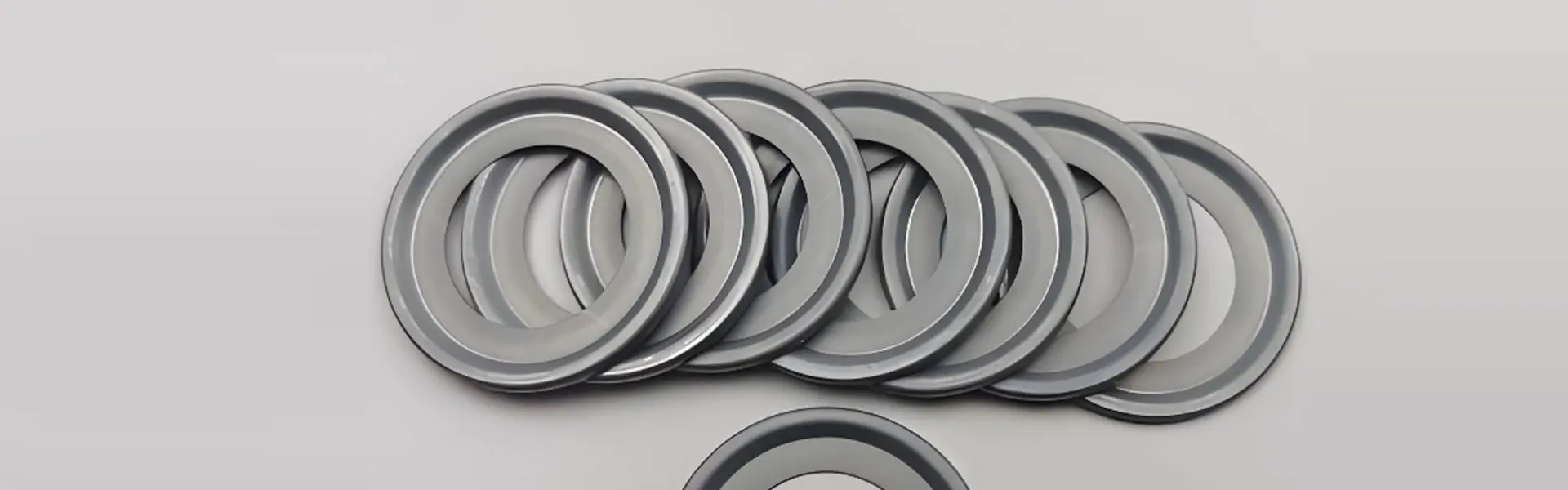
In an era where environmental responsibility is no longer optional but imperative, industries worldwide are actively seeking sustainable alternatives to traditional packaging materials. Vegetable fiber packing, also known as plant-based or bio-fiber packing, stands at the forefront of this green revolution. This innovative material is derived from annually renewable agricultural by-products and natural fibers, offering a high-performance, compostable, and eco-friendly solution for a vast array of packaging needs. Unlike synthetic foams or plastics that linger in landfills for centuries, vegetable fiber packing completes a natural cycle, returning to the earth without leaving harmful residues. At Kaxite, we have dedicated years to refining this technology, creating advanced vegetable fiber packing solutions that do not compromise on protection, durability, or cost-effectiveness. Our mission is to provide businesses with a packaging choice that safeguards their products while also protecting our planet.
Kaxite's vegetable fiber packing is meticulously engineered from a blend of natural, plant-based materials. Our primary sources include:
This combination results in a material that is not only 100% biodegradable and compostable but also possesses remarkable functional properties for product protection.
Understanding the technical specifications of packaging material is crucial for selecting the right solution. Below are the detailed parameters for Kaxite's standard vegetable fiber packing line.
| Parameter | Specification / Value | Test Standard | Significance for Your Products |
|---|---|---|---|
| Basis Weight | 300 - 1200 g/m² (customizable) | ISO 536 | Determines the density and overall sturdiness of the molded piece. |
| Thickness | 2mm - 50mm (variable by design) | ISO 534 | Provides the essential depth for cushioning and impact absorption. |
| Compressive Strength | 150 - 600 kPa | ASTM D1621 | Indicates the load-bearing capacity, crucial for stacking in warehouses and during transit. |
| Energy Absorption | High (Superior to many EPS foams) | Custom drop-test protocols | Measures the material's ability to dissipate shock and protect fragile items from drops. |
| Moisture Resistance | Good (with optional bio-coatings) | ASTM D570 | Protects against ambient humidity for short-term exposure; coatings can be added for enhanced resistance. |
| Operating Temperature Range | -20°C to 120°C (-4°F to 248°F) | Internal thermal cycling tests | Ensures dimensional stability and performance across most shipping and storage conditions. |
| Parameter | Specification / Result | Certification / Standard |
|---|---|---|
| Biodegradability | 100% Biodegradable in microbial environments | ASTM D6400, EN 13432 |
| Compostability | Fully compostable in industrial facilities within 90-180 days | OK compost INDUSTRIAL, BPI Certified |
| Material Composition | >99% Plant-based fibers, <1% natural binders | Chemical analysis |
| Heavy Metals & Toxicity | Free of heavy metals, formaldehyde, and toxic substances | REACH, FDA CFR 21 Compliant for food contact* |
| Dust & Lint Generation | Extremely Low | Internal quality control |
| Flame Retardancy | Available upon request (using non-halogenated additives) | Can meet UL 94 HB |
*Specific grades are designed and tested for food contact applications.
The versatility of our material allows it to be custom-molded into virtually any shape, making it ideal for numerous industries:
Q: How does the cost of vegetable fiber packing compare to traditional plastic foams like EPS or EPE?
A: Initially, the per-unit cost of vegetable fiber packing can be slightly higher than mass-produced petroleum-based foams. However, a total cost analysis often reveals parity or savings. Factors contributing to this include potential reductions in shipping volume due to efficient designs, lower warehousing costs for flat-packed items, avoidance of plastic taxes or levies, and significant brand value enhancement through sustainable packaging. Furthermore, as demand and production scale increase, costs continue to become more competitive.
Q: Is vegetable fiber packing strong enough to protect heavy or fragile items?
A: Absolutely. Kaxite's vegetable fiber packing is engineered for performance. Its unique fibrous structure provides exceptional energy absorption and cushioning, often outperforming Expanded Polystyrene (EPS) in dynamic shock absorption tests. The compressive strength can be tailored during the molding process to support significant weights, making it suitable for items ranging from delicate glassware to heavy mechanical parts.
Q: Can it handle moisture or humid conditions during shipping and storage?
A: Standard vegetable fiber packing has good resistance to ambient humidity for typical logistics cycles (days to weeks). For products requiring extended storage in humid environments or direct liquid exposure, Kaxite offers options with biodegradable, water-based coatings or laminates that significantly enhance moisture and grease resistance while maintaining compostability.
Q: What are the end-of-life options for this packaging?
A: Kaxite packing offers multiple environmentally sound end-of-life pathways:
Q: Are there custom design and branding possibilities?
A: Yes, customization is a key strength. The pulp molding process allows for high design flexibility. Kaxite works with clients to create custom-fit, structural packaging tailored to the exact dimensions of your product. We can also emboss logos, text, or patterns directly into the material, apply color using organic, food-safe dyes, and create unique structural designs that enhance unboxing experience and brand recognition.
Q: Does vegetable fiber packing have any odor, and is it safe for direct food contact?
A: Kaxite's standard vegetable fiber packing has a mild, natural earthy scent, similar to cardboard, which dissipates quickly. For food contact applications, we produce specific grades manufactured under strict hygiene protocols using only FDA-compliant, food-safe fibers and binders. These grades are odor-neutral and certified safe for direct contact with dry, moist, or fatty foods.
Q: What are the minimum order quantities (MOQs) for custom molded pieces?
A: MOQs depend on the complexity of the mold and the specific product. For standard designs or simple shapes, MOQs can be relatively low. For complex, brand-specific custom molds, a higher initial order is typical to cover the mold tooling cost. Our team at Kaxite is committed to finding scalable solutions for businesses of all sizes, from startups to multinational corporations.