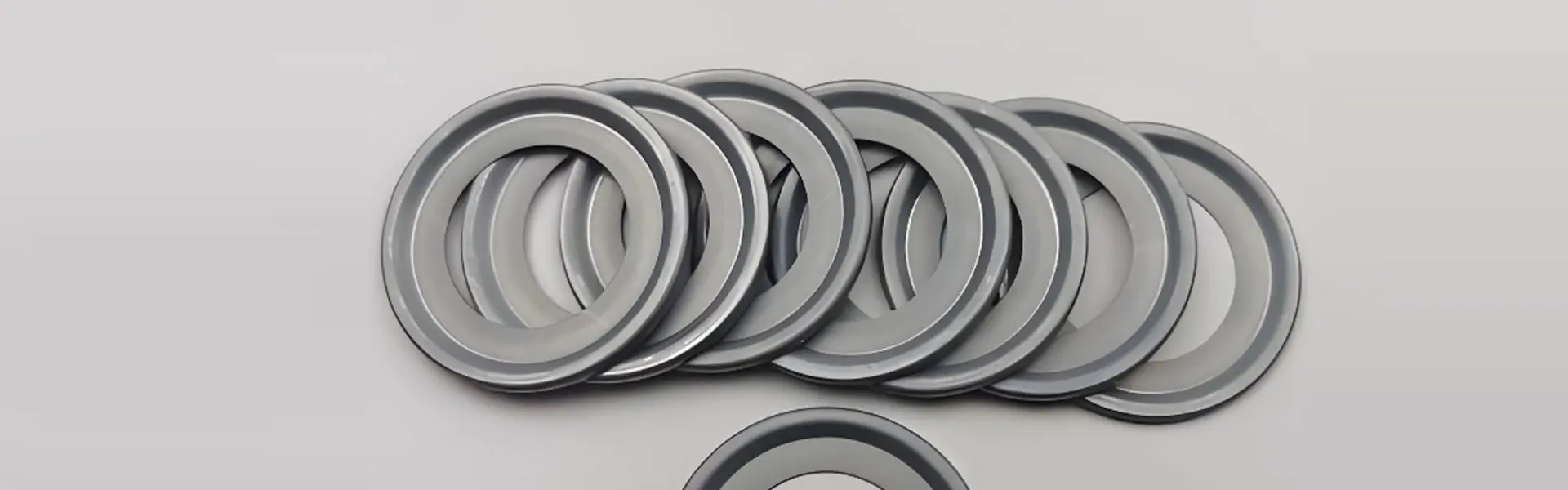
In today's fast-paced production environments, efficiency, reliability, and product integrity are non-negotiable. A high-performance Sealing Machines is the cornerstone of successful packaging lines across food and beverage, pharmaceuticals, chemicals, and consumer goods sectors. Kaxite, with decades of engineering excellence, designs and manufactures sealing equipment that delivers unparalleled consistency, speed, and durability. Our machines are built to operate seamlessly in challenging conditions, ensuring your products are securely sealed, protected from contamination, and presented professionally to your customers.
Understanding the critical parameters of a sealing machine is essential for selecting the right tool for your specific application. Below, we detail the core technical specifications and features that define Kaxite sealing systems.
Kaxite sealing machines are engineered with precision. The following list outlines the fundamental components and capabilities:
To help you identify the ideal Kaxite machine for your operation, we have compiled a comparative table of our flagship models.
| Model Series | Primary Application | Max Sealing Speed | Sealing Length Range | Power (Avg.) | Key Feature |
|---|---|---|---|---|---|
| Kaxite KS-200 (Basic) | Light-duty poly bags, retail packaging | 20 seals/minute | 100mm - 400mm | 800W | Manual foot pedal operation, compact design |
| Kaxite KS-500 (Standard) | Medium-duty bags, foils, laminates | 35 seals/minute | 150mm - 600mm | 1200W | Motorized conveyor belt, digital timer & temperature |
| Kaxite KS-800 (Professional) | Heavy-duty materials, vacuum bags | 15 seals/minute* | 200mm - 800mm | 1800W | Dual sealing jaws, integrated vacuum pump port |
| Kaxite KS-1200 (Industrial) | Continuous production lines, tough plastics | 60 seals/minute | Up to 1000mm+ | 2500W | Fully automated with PLC, robotic arm compatible |
| Kaxite US-300 (Ultrasonic) | Synthetic fabrics, technical textiles, non-wovens | Variable | Custom | 900W | Cold sealing process, no heat, perfect for heat-sensitive materials |
*Speed for KS-800 is lower due to the longer cycle time required for heavy-duty materials and vacuum processes.
The effectiveness of a seal depends heavily on material compatibility. This table indicates which Kaxite sealing technology is recommended for various common packaging materials.
| Packaging Material Type | Recommended Kaxite Sealing Method | Optimal Temperature Range | Notes |
|---|---|---|---|
| Polyethylene (LDPE, HDPE) | Impulse or Constant Heat | 130°C - 170°C | Most common, seals well with proper pressure. |
| Polypropylene (OPP, BOPP) | Constant Heat | 160°C - 190°C | Requires higher heat; a longer cooling cycle is beneficial. |
| Polyester (PET, Mylar®) | Constant Heat | 200°C - 230°C | High melting point; needs precise temperature control. |
| Nylon (Polyamide) | Impulse | 180°C - 220°C | Can be tricky; impulse sealing prevents burning. |
| Laminated Foils (Aluminum layers) | Constant Heat with Teflon Cover | 150°C - 180°C | Use a protective cover to prevent foil puncture. |
| Vacuum Bags (Multi-layer) | Dual-Jaw Impulse (KS-800 Series) | 140°C - 165°C | Combines sealing with vacuum channel creation. |
| Heat-Sensitive Synthetics | Ultrasonic (US-300 Series) | N/A (Cold Process) | Uses high-frequency vibrations to fuse materials. |
What is the main difference between impulse, constant heat, and ultrasonic sealing?
Impulse sealing briefly applies a high current to a nichrome wire, heating it instantly to melt the plastic, and then immediately cools the seal. It's excellent for polyethylene and prevents material burn-through. Constant heat sealing maintains a consistently heated jaw, ideal for thicker or heat-resistant materials like polypropylene that require sustained heat application. Ultrasonic sealing uses high-frequency sound vibrations to generate friction heat only at the material interface, creating a strong, clean seal without external heat, perfect for synthetic fabrics or films that degrade under direct heat.
How do I determine the correct temperature and pressure settings for my packaging material?
Always start with the manufacturer's guidelines for your film or bag material. As a general rule, begin with a mid-range temperature and lower pressure. Perform test seals on sample bags with product simulant inside. A good seal is strong, uniform, and not brittle or burned. Increase temperature incrementally if the seal peels apart easily. Reduce pressure if the seal area is overly thin or crushed. Kaxite machines provide precise digital controls to fine-tune these parameters, and our technical support can provide starting points for common materials.
Why is the cooling cycle so important in the sealing process?
The cooling cycle solidifies the molten plastic under pressure, locking in the bond. Without sufficient cooling time, the seal can be weak, stringy, or may re-open. Proper cooling ensures the polymer chains re-crystallize, creating a hermetic seal that matches the strength of the original material. Kaxite sealers feature adjustable cooling timers and, in some models, active air cooling systems to guarantee perfect seal integrity every time, even at high speeds.
Can Kaxite sealing machines handle wrinkled or contaminated bags?
While designed for optimal performance with flat, clean surfaces, Kaxite machines with adjustable pressure and wider sealing jaws can compensate for minor wrinkles. However, significant wrinkles, folds, or product contamination (like powder or liquid) in the seal area will compromise integrity. For reliable operation, ensure bags are properly filled and presented. For dusty environments, we offer models with built-in air blowers to clean the seal area.
What routine maintenance does a Kaxite sealer require?
Regular maintenance is key to longevity. Daily: Clean the sealing jaws with a soft cloth and isopropyl alcohol to remove residue. Weekly: Inspect the Teflon or non-stick cover for cuts or wear and replace if damaged. Check for loose screws or fittings. Monthly: For pneumatic models, check and drain air filters. Inspect electrical connections for security. Annually: Have a qualified technician perform a full inspection, including calibration of temperature sensors and pressure gauges. Kaxite provides comprehensive maintenance manuals and spare part kits.
Are Kaxite machines compatible with automated packaging lines?
Absolutely. Our industrial-grade models, particularly the KS-1200 series, are engineered for integration. They feature programmable logic controllers (PLCs) with standard I/O (Input/Output) ports for communication with upstream feeders, conveyors, robotic arms, and downstream labeling or boxing systems. We offer customization of sealing profiles, trigger signals, and data output to fit seamlessly into your Industry 4.0 smart factory setup.
What safety certifications do Kaxite sealing machines carry?
Kaxite equipment is designed and tested to meet rigorous international safety standards. Our machines typically carry CE marking (conformity with health, safety, and environmental protection standards for the EEA), and many models are certified to UL (Underwriters Laboratories) or similar standards for electrical safety. Specific certifications vary by model and destination market. Always check the product datasheet or consult with our sales team for the exact certifications applicable to your region.
How does Kaxite ensure the durability and reliability of its sealing jaws?
Kaxite sealing jaws are machined from high-grade, thermally conductive aluminum or hardened steel to ensure even heat distribution and resistance to warping. The critical sealing surface is coated with multiple layers of PTFE (Teflon) or a proprietary non-stick, abrasion-resistant material. This coating prevents plastic buildup, ensures a clean release, and protects the jaw from corrosion. We use premium-grade heating elements and sensors that are rigorously tested for thermal cycling endurance, guaranteeing consistent performance over thousands of operating hours.