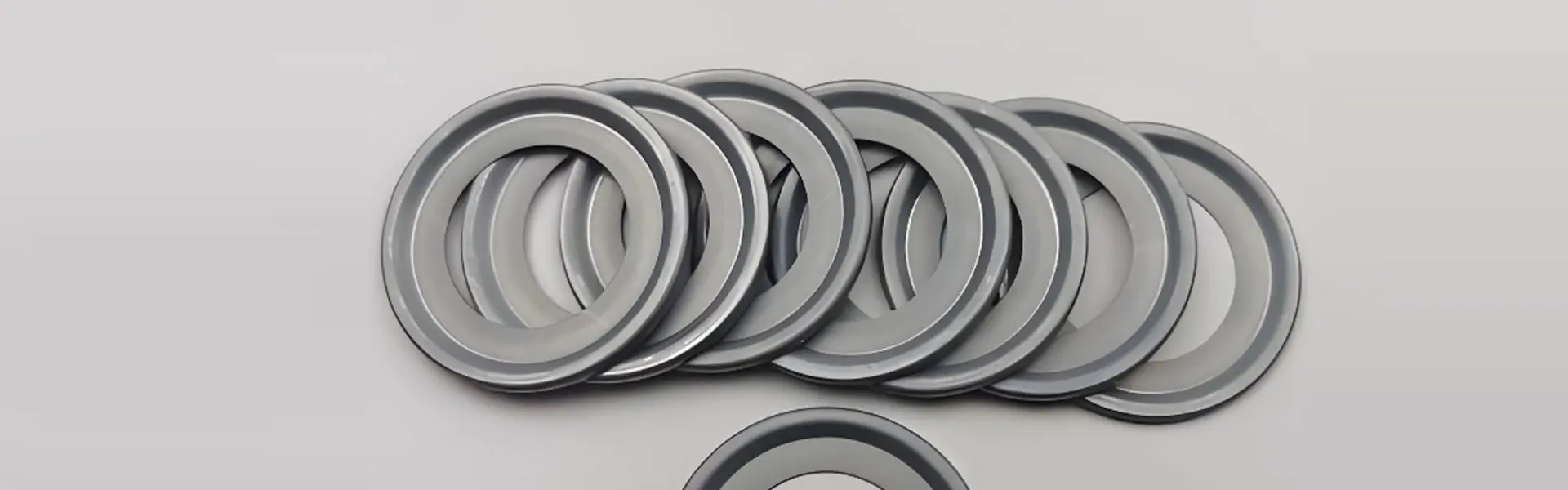
Mineral fiber packing is a premium sealing material engineered from high-purity inorganic fibers, typically alumina-silica based, bonded with specialized compounds. It is designed to provide exceptional sealing performance in demanding high-temperature and high-pressure applications where conventional packing materials like graphite or PTFE may fail. This type of packing is renowned for its resilience, chemical inertness, and ability to maintain seal integrity under extreme thermal cycling. At Kaxite, we utilize advanced manufacturing techniques to produce mineral fiber packing that meets the rigorous standards of industries such as power generation, chemical processing, and heavy manufacturing. Our product is the go-to solution for sealing valves, pumps, and flanges in environments where heat and corrosion are constant challenges.
Kaxite's mineral fiber packing stands out in the market due to its superior engineering. Here are its core advantages:
Understanding the precise specifications is crucial for selecting the right packing. Below are the detailed parameters for Kaxite's standard mineral fiber packing.
| Parameter | Specification / Value | Test Standard |
|---|---|---|
| Primary Fiber Content | High-Purity Alumina-Silica (>95%) | In-house QA |
| Binder Type | Inorganic, High-Temp Resistant | - |
| Temperature Range (Continuous) | -100°F to +1600°F (-73°C to +870°C) | ASTM D2596 |
| pH Range (Resistance) | 1 - 14 | Immersion Test |
| Density (Nominal) | 85 - 95 lbs/ft³ (1360 - 1520 kg/m³) | ASTM D3800 |
| Tensile Strength | ≥ 350 psi | ASTM D3759 |
| Thermal Conductivity @ 1000°F | 0.8 BTU·in/(hr·ft²·°F) | ASTM C177 |
| Compression Set (After 24h @ 1200°F) | < 15% | Modified ASTM F36 |
Kaxite mineral fiber packing is supplied in flexible, braided square cross-section cord. Standard sizes include:
Kaxite mineral fiber packing is specified by engineers for critical sealing tasks across numerous sectors:
Correct installation is key to maximizing the lifespan and effectiveness of mineral fiber packing. Follow these general steps:
Note: Always consult the specific Kaxite installation manual and the equipment OEM's guidelines for detailed procedures and torque specifications.
Q: What is the primary difference between mineral fiber packing and graphite foil packing?
A: While both are used for high temperatures, mineral fiber packing is fundamentally an inorganic, ceramic-based material offering superior insulation, higher temperature limits (especially for oxidizing atmospheres), and better resilience against thermal shock. Graphite packing, though an excellent conductor and lubricant, can oxidize at high temperatures in the presence of air. Mineral fiber is often preferred in highly oxidizing, high-heat flux environments.
Q: Can Kaxite mineral fiber packing be used in food or pharmaceutical processing equipment?
A: Standard mineral fiber packing is not typically certified for direct food or pharmaceutical contact due to the potential for fiber release. For such applications, we recommend consulting with Kaxite engineers about specialized, FDA-compliant sealing alternatives we offer.
Q: Is this packing suitable for rotary or reciprocating equipment?
A: Yes, Kaxite mineral fiber packing is versatile and can be used in both rotary and reciprocating pumps and valves. Its high compressibility and recovery allow it to adapt well to the dynamic motion of reciprocating shafts, while its self-lubricating properties make it suitable for rotary applications when properly run-in.
Q: How do I select the correct size of mineral fiber packing?
A: The correct size is determined by the stuffing box dimensions and the shaft/rod diameter. The packing cross-section should be sized so that the installed rings fit snugly in the annular space between the shaft and the box wall. A general rule is: Packing Cross-Section = (Stuffing Box Bore - Shaft Diameter) / 2. Our technical team at Kaxite can provide precise sizing assistance based on your equipment drawings.
Q: What is the expected service life of this packing?
A: Service life varies dramatically based on operating conditions: temperature, pressure, media, shaft speed/surface finish, and installation quality. Under ideal conditions with proper maintenance, Kaxite mineral fiber packing can last several years in many applications. In extremely severe services, more frequent inspection and replacement may be necessary. Regular monitoring of gland leakage and temperature is advised.
Q: Can it handle thermal cycling between very high and low temperatures?
A: Absolutely. This is one of the key strengths of Kaxite mineral fiber packing. Its inorganic fibrous structure has a low coefficient of thermal expansion and high elasticity, allowing it to expand and contract with temperature changes without cracking, crumbling, or losing sealing force, which is critical in batch processes or equipment that undergoes frequent start-up/shutdown cycles.
Q: Is special lubrication required during installation?
A: Kaxite mineral fiber packing typically contains internal lubricants and does not require additional lubrication for most standard services. However, for specific applications involving extremely dry gases or to facilitate initial run-in, a sparing application of a high-temperature silicone- or graphite-based paste on the shaft and packing rings can be beneficial. Avoid petroleum-based lubricants for high-temperature use.
Q: What chemicals should Kaxite mineral fiber packing NOT be used with?
A: While highly resistant to most industrial chemicals, it is not recommended for use with hydrofluoric acid (HF) and hot, concentrated phosphoric acid, which can attack the silica content. For service with strong alkalis like molten caustic, a specialized high-alumina variant may be recommended. Always provide full media details to Kaxite for compatibility confirmation.
Q: How should unused packing be stored?
A: Store the sealed boxes in a cool, dry, and clean environment away from direct sunlight, moisture, and corrosive fumes. Proper storage will prevent contamination and preserve the packing's physical properties and lubricants indefinitely.