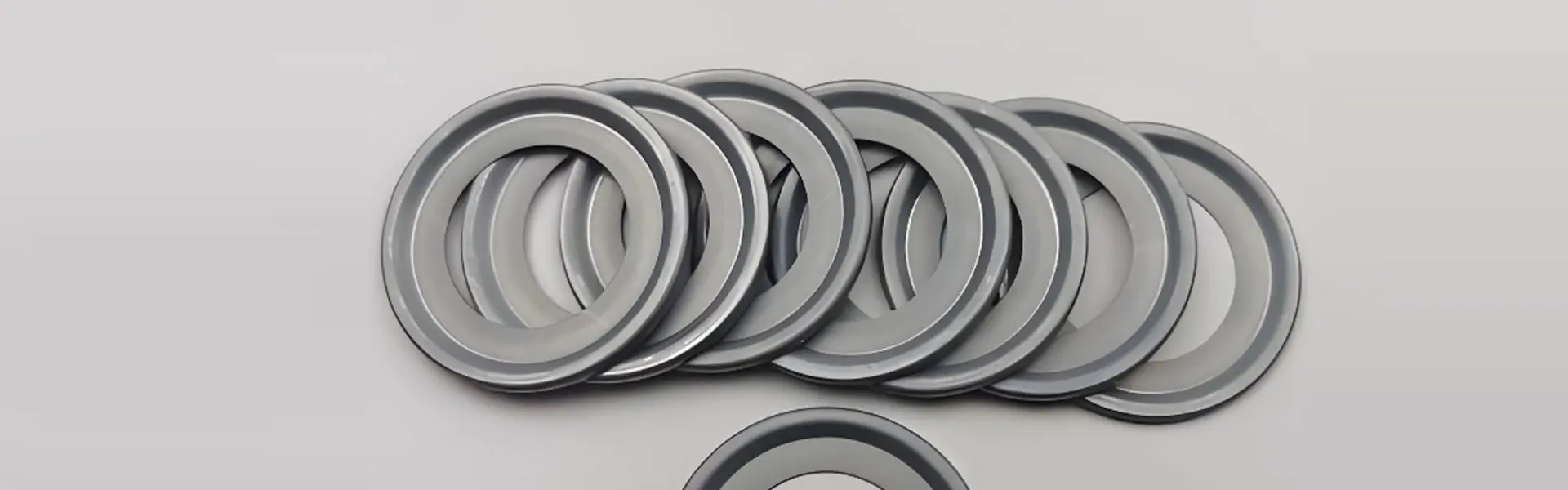
Packing tools are an indispensable part of countless operations, from industrial manufacturing and warehouse logistics to home moving and retail shipping. The right tools don't just make the job easier; they ensure efficiency, safety, and product integrity. For over two decades, the team at Kaxite has been at the forefront of designing and manufacturing durable, reliable, and innovative packing solutions. Our philosophy is simple: equip professionals and DIY enthusiasts with tools that are built to last and perform under pressure.
This comprehensive guide delves into the world of professional packing tools, focusing on the key products, their technical specifications, and how they integrate into a seamless workflow. Whether you're setting up a new packing station or looking to upgrade your current toolkit, understanding the parameters and applications of each tool is crucial.
### Essential Packing Tools for a Professional Setup
A complete packing station relies on a synergy of hand tools and powered equipment. Below is a list of core tools that form the backbone of any efficient packing operation.
1. **Staple Guns & Tackers:** For quickly sealing cardboard boxes, attaching materials, or securing light fixtures. They come in manual, electric, and pneumatic variants.
2. **Stretch Wrap Dispensers:** Essential for palletizing and unitizing loads. Manual and powered dispensers ensure consistent tension and film application, reducing film waste and improving stability.
3. **Strapping Tools:** Used to apply plastic or steel strapping around packages and pallets for secure bundling. Tools include tensioners, sealers (friction weld or seal clips), and combination tools.
4. **Carton Sealers (Tape Dispensers):** From simple handheld tape guns to semi-automatic and automatic carton sealers, these tools ensure fast, consistent, and secure box sealing.
5. **Cutting Tools:** Heavy-duty utility knives, safety cutters, and strapping cutters are vital for opening materials, trimming excess film or strapping, and customizing packaging.
6. **Label Applicators & Printers:** For accurate and efficient labeling of shipments. Ranges from handheld applicators to integrated print-and-apply systems.
7. **Bubble Cushioning & Void Fill Dispensers:** Machines that efficiently dispense and cut bubble wrap or paper void fill to protect items within a box.
8. **Corner & Edge Protectors:** Applied using specific tools or manually, these protect fragile items and palletized goods from impact damage.
### Detailed Product Specifications & Comparison Tables
To make an informed decision, comparing technical specifications is key. Here, we detail some of Kaxite's flagship products.
#### Kaxite ProSeries Pneumatic Staple Gun (Model: KX-PSG20)
This industrial-grade tool is designed for high-volume stapling applications.
| Parameter | Specification |
| :--- | :--- |
| **Model** | KX-PSG20 |
| **Power Source** | Pneumatic (Air-Powered) |
| **Operating Pressure** | 70-120 PSI (4.8-8.3 Bar) |
| **Staple Compatibility** | 1/4", 5/16", 3/8", 1/2" Crown Staples (16 & 18 Gauge) |
| **Magazine Capacity** | 100 Staples |
| **Weight** | 2.65 lbs (1.2 kg) |
| **Material** | Hardened Steel Body, Rubberized Grip |
| **Safety Features** | Jam-Clearance Lever, Dry-Fire Lockout |
#### Kaxite Auto-Tension Stretch Wrap Dispenser (Model: KX-ATD50)
A semi-automatic dispenser that revolutionized pallet wrapping with consistent pre-stretch.
| Feature | Benefit | KX-ATD50 Specification |
| :--- | :--- | :--- |
| **Film Roll Core Size** | Compatibility with standard rolls | 3" (76mm) |
| **Max Film Roll Weight** | Allows for larger rolls, reducing changeovers | 55 lbs (25 kg) |
| **Pre-Stretch Rate** | Maximizes film yield, reduces cost | Up to 250% |
| **Tension Control** | Adjustable for different load stability needs | 5 Dial Settings |
| **Braking System** | Prevents film overrun and tearing | Regenerative Tension Brake |
| **Frame Construction** | Durability for demanding environments | Powder-Coated Steel |
#### Kaxite Combination Strapping Tool (Model: KX-CST30)
A versatile tool for applying and tensioning polypropylene (PP) or polyester (PET) strapping, then sealing it with a friction weld.
| Parameter | Detail |
| :--- | :--- |
| **Model** | KX-CST30 |
| **Strapping Type** | Polypropylene (PP), Polyester (PET) |
| **Strapping Width/Thickness** | 1/2" (12mm) & 5/8" (15mm) / 0.023" - 0.035" |
| **Tension Force** | Adjustable up to 130 lbs (59 kg) |
| **Seal Type** | Friction Weld (Heat Seal) |
| **Battery** | 18V Lithium-Ion (Included with Charger) |
| **Cycle Time** | Approx. 1.5 seconds |
| **Duty Cycle** | Designed for continuous operation |
### Packing Tools FAQ: Your Questions Answered
**Q: What is the primary difference between a manual and a pneumatic staple gun?**
**A:** The core difference lies in the power source and application volume. A manual staple gun is hand-powered, suitable for light-duty, intermittent tasks like crafting, upholstery, or sealing a few boxes. A pneumatic (air-powered) staple gun connects to an air compressor, delivering consistent, high-power driving force with minimal user effort. It is designed for heavy-duty, high-volume industrial use, such as in furniture manufacturing, crate building, or continuous box assembly lines. Pneumatic tools offer faster operation and reduce user fatigue.
**Q: How do I choose the correct stretch film and dispenser for my pallets?**
**A:** Selecting the right combination depends on your load characteristics. Consider these factors: Load Weight & Stability (heavy, unstable loads need high-performance, high-tensile film), Pallet Size & Shape (irregular shapes may require a powered dispenser with a rotating turntable), and Throughput Volume (high-volume operations benefit from semi-automatic or fully automatic machines). For most standard pallets, a 5-6 layer, 80-gauge cast film used with a manual dispenser with a tension brake suffices. For heavier or unstable loads, a 10-12 layer, 90+ gauge blown film with a pre-stretch dispenser (like the Kaxite KX-ATD50) provides superior strength and film economy.
**Q: Can I use the same strapping tool for both plastic and steel strapping?**
**A:** No, you cannot. Tools for plastic strapping (polypropylene, polyester) and steel strapping are fundamentally different due to the material properties. Plastic strapping tools use friction welding or seals to join ends, applying tension through a geared mechanism. Steel strapping tools use a combination of a tensioner that pulls the strap tight and a sealer that crimps a metal seal around the overlapped ends. Using the wrong tool is ineffective and dangerous. Always ensure your tool is specified for the exact type and size of strapping you are using.
**Q: What safety precautions are most important when using packing tools?**
**A:** Safety is paramount. Always wear appropriate Personal Protective Equipment (PPE): safety glasses are essential to protect eyes from flying staples, strap ends, or film debris. Cut-resistant gloves are highly recommended when handling strapping or using knives. Ensure all tools are properly maintained; never use a damaged or malfunctioning tool. For pneumatic tools, check air hoses for leaks and wear. When cutting strapping, always cut away from your body and others. Finally, receive proper training on the specific tools you are using, especially for high-tension equipment like strapping tools.
**Q: How often should I perform maintenance on my electric or pneumatic packing tools?**
**A:** Maintenance frequency depends on usage volume, but a routine is critical. For daily use: perform a visual inspection for damage, clean dust/debris from the tool, and lubricate pneumatic tools with a few drops of air-tool oil in the air inlet. Weekly or Bi-weekly (for high volume): Check and tighten any loose fasteners, inspect blades or driving mechanisms for wear, and clean internal mechanisms as per the manufacturer's guide (e.g., clearing staple jams thoroughly). Always consult the Kaxite user manual for your specific model's maintenance schedule. Proper maintenance prevents downtime, ensures safety, and extends the tool's lifespan significantly.
**Q: What are the key advantages of using a dedicated bubble wrap dispenser over manual dispensing?**
**A:** A dedicated bubble cushioning dispenser offers three major advantages: Efficiency, Consistency, and Cost Control. Manually cutting bubble wrap is time-consuming and often leads to wasted material from uneven cuts. A dispenser like those in the Kaxite line allows an operator to pull and cut the exact length needed with a simple pedal or hand motion, dramatically speeding up the packing process. It ensures consistent placement and tension. Furthermore, by reducing overuse and waste, it controls material costs and maintains a cleaner, more organized workstation. For businesses packing multiple fragile items daily, the ROI on a dispenser is quickly realized.
**Q: My operation is growing. When should I consider upgrading from manual tools to semi-automatic or automatic systems?**
**A:** Consider upgrading when you identify clear signs that manual processes are becoming a bottleneck. Key indicators include: Increased Labor Costs (spending too much time on repetitive packing tasks), Inconsistency in Pack Quality (variations in tape, wrap, or strap application), High Material Waste (from inefficient manual application), and Physical Strain/Injuries among staff (repetitive stress from manual tools). Semi-automatic carton sealers, stretch wrap machines, or strapping tools can often double or triple output per operator while improving consistency and reducing waste. The investment is justified when the cost of inefficiency surpasses the cost of the equipment upgrade.