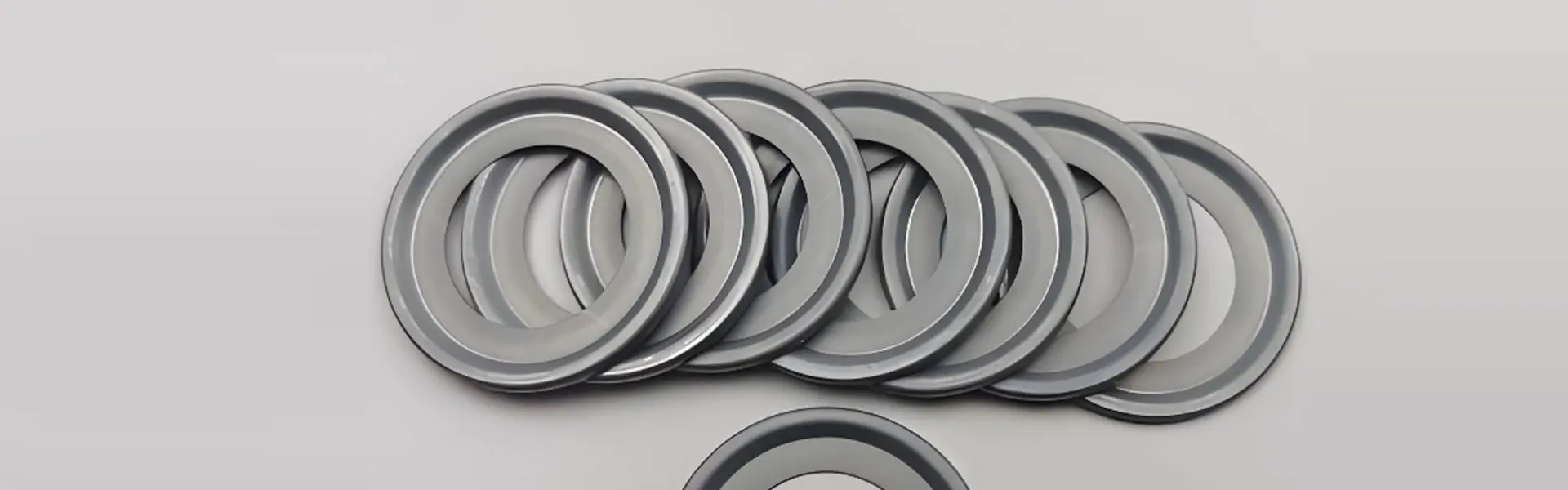
In the demanding world of industrial sealing, finding a material that offers exceptional performance across a wide range of conditions is paramount. Graphite PTFE Packing represents a significant advancement in sealing technology, combining the unique properties of expanded graphite and PTFE (Polytetrafluoroethylene). This composite material is engineered to address the limitations of traditional packings, providing superior leak prevention, longevity, and chemical resistance. At Kaxite, we specialize in the design and manufacture of high-performance Graphite PTFE Packing, leveraging over two decades of expertise to deliver solutions that meet the rigorous demands of modern industry. This packing is particularly valued in applications involving aggressive chemicals, high temperatures, and where low friction and maintenance-free operation are critical.
Kaxite's Graphite PTFE Packing is manufactured to precise specifications to ensure consistent and reliable performance. Below is a detailed breakdown of its core parameters and technical data.
| Property | Test Standard | Typical Value / Range | Significance |
|---|---|---|---|
| Density | ASTM F1315 | 1.6 - 2.2 g/cm³ | Indicates packing tightness and potential for volumetric leakage control. |
| Coefficient of Friction | ASTM D1894 | 0.08 - 0.12 (Dynamic) | Extremely low, reducing shaft/stem wear and drive power requirements. |
| Compressibility | ASTM F36 | 15 - 30% | Determines how well the packing conforms to the gland space during installation. |
| Recovery | ASTM F36 | > 50% | High recovery allows the packing to adapt to pressure fluctuations and thermal cycling. |
| Thermal Conductivity | ASTM E1225 | 5 - 15 W/m·K | Superior heat transfer away from the shaft, prolonging packing and equipment life. |
| Chemical Resistance | N/A | Resistant to virtually all industrial chemicals, solvents, and acids. | PTFE provides inertness, while graphite is stable in most environments. Exceptions include strong oxidizing agents at high temps. |
| Maximum PV Value | Industry Standard | td>150,000 psi·ft/minA measure of the packing's ability to withstand pressure (P) and velocity (V) at the sealing interface. | |
| Suitable Shaft Speed | N/A | Up to 25 m/s | Suitable for high-speed rotary equipment like pumps and mixers. |
Kaxite Graphite PTFE Packing is available in a comprehensive range of sizes to fit international standards.
| Cross-Section (Square) | Spool Length | Standard Ring Sets (ID x OD) |
|---|---|---|
| 1/8" (3mm) - 1" (25mm) | 50 ft (15.2m) and 100 ft (30.5m) | Custom die-formed rings available per customer drawings. |
| Common Sizes: 3/16", 1/4", 5/16", 3/8", 1/2", 5/8" | Also supplied in coil boxes. | Precision laser-cut rings ensure perfect fit and seal. |
Q: What are the primary advantages of using Graphite PTFE Packing over traditional asbestos or aramid fiber packings?
A: Kaxite Graphite PTFE Packing offers several key advantages: Superior chemical resistance, as PTFE is nearly inert. A much wider operational temperature range, handling both extreme cold and heat. It is self-lubricating, reducing friction and wear on shafts, leading to lower energy consumption. It is non-abrasive, protecting expensive equipment. Furthermore, it contains no hazardous materials like asbestos, making it safer for handling and disposal. Its excellent thermal conductivity helps dissipate heat from the stuffing box, a common failure point for other packings.
Q: For which specific applications is this packing most recommended?
A: This packing is exceptionally versatile. Its most common applications include: Chemical process pumps and valves handling acids, alkalis, and solvents. High-temperature service in refineries and power plants, such as boiler feedwater pumps and heat transfer systems. Food and pharmaceutical processing where cleanliness, non-contamination, and FDA-compliance (for specific grades) are required. Cryogenic applications like LNG pumps. Agitators and mixers in abrasive or corrosive slurries (when combined with appropriate inhibitors). It is ideal for services where "emission packing" standards for low fugitive emissions must be met.
Q: How does the installation procedure for Graphite PTFE Packing differ from other styles?
A: Proper installation is crucial for optimal performance. Kaxite's packing should be installed in clean, ring-by-ring increments, staggering the joints typically by 90 degrees. It requires minimal lubrication, often none, due to its self-lubricating nature. The initial gland follower compression should be just enough to control leakage (about 1/2 to 1 turn past finger-tight). A significant difference is the "run-in" period. After initial startup and thermal cycling, the packing will seat itself. The gland may need a slight re-tightening after the first 24-48 hours of operation, but thereafter, it should require minimal adjustment, unlike traditional packings that need frequent tightening.
Q: Can Graphite PTFE Packing be used in high-speed centrifugal pumps?
A: Yes, absolutely. One of its standout features is its suitability for high-speed applications. The combination of low friction and high thermal conductivity makes it an excellent choice for centrifugal pumps with shaft speeds up to 25 meters per second. It effectively manages the frictional heat generated at the seal face, preventing packing burnout and shaft scoring. For the best results in high-speed services, ensure the packing is properly sized, the shaft surface finish is within recommended limits (usually 16-32 micro-inches Ra), and the packing box is adequately cooled if the pumped fluid is already at a high temperature.
Q: Are there any chemical services where this packing should be avoided?
A: While Kaxite Graphite PTFE Packing has exceptional chemical resistance, there are a few specific limitations. It is not recommended for use in environments with molten or highly reactive alkali metals (e.g., sodium, potassium). The graphite component can be slowly oxidized by strong oxidizing agents like fluorine, chlorine trifluoride, or peroxides at very high temperatures. For services involving concentrated sulfuric acid above 200°C (392°F) or hot hydrofluoric acid, a pure PTFE packing might be a more suitable recommendation. Always consult Kaxite's chemical resistance guide or our engineering team for specific media compatibility.
Q: What does Kaxite do to ensure the quality and consistency of its Graphite PTFE Packing?
A: Kaxite implements a rigorous quality management system. We start with sourcing premium, certified raw materials from trusted suppliers. Our manufacturing process involves controlled braiding or forming techniques that ensure uniform density and structure. Every batch undergoes in-house testing for key parameters like density, dimensional accuracy, and chemical composition. We perform sample testing for thermal stability and friction coefficients. Furthermore, our packing is traceable by batch number, allowing for complete quality control documentation. This commitment to consistency ensures that every spool or ring set performs exactly as specified, providing reliable, predictable sealing for our customers.
Selecting the correct packing involves more than just material choice. Follow these guidelines for optimal results with Kaxite Graphite PTFE Packing.