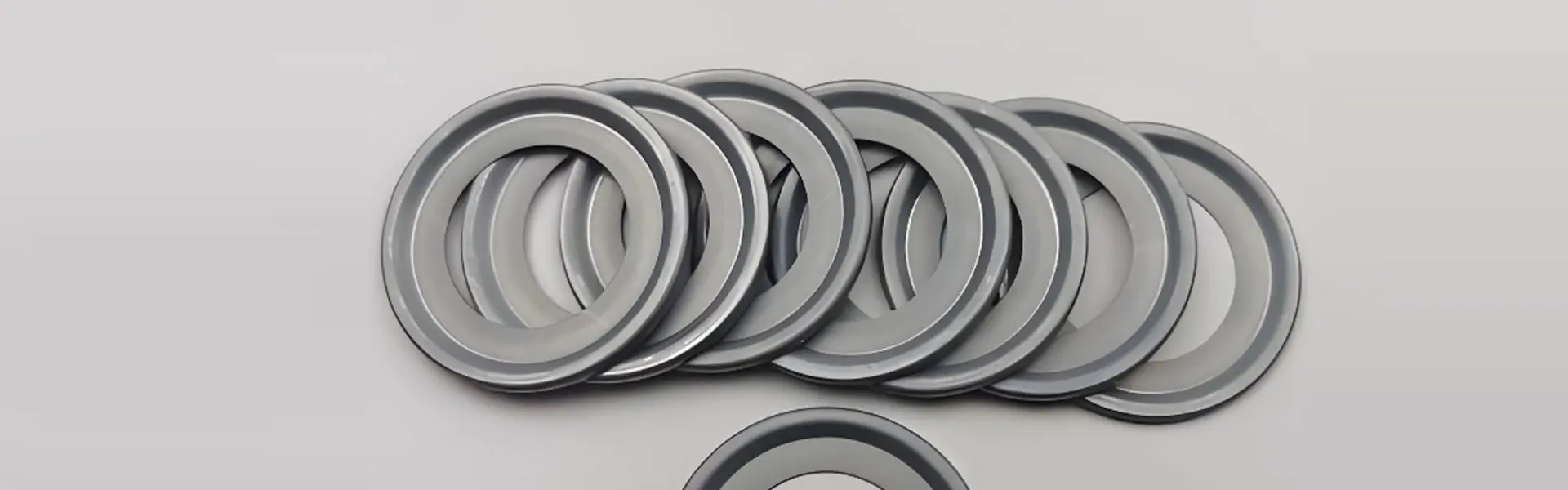
At Kaxite, we specialize in manufacturing and supplying high-grade cork sheet materials engineered for superior performance across industrial, commercial, and DIY applications. Our cork sheets are harvested from sustainable cork oak forests and processed using advanced techniques to ensure consistent density, durability, and functional excellence. This natural material offers an exceptional combination of insulation, vibration damping, acoustic control, and resilience, making it a versatile solution for gaskets, bulletin boards, flooring underlayment, craft projects, and more.
We understand that technical specifications are critical for your project's success. Below, you will find detailed parameters and data on our standard cork sheet offerings, presented clearly for easy comparison and selection.
Our product range is categorized by primary application type. Each specification is vital for determining the right sheet for your needs.
| Grade Code | Density (kg/m³) | Thickness Range (mm) | Standard Sheet Size (mm) | Key Characteristics | Recommended Applications |
|---|---|---|---|---|---|
| KS-200 (Natural) | 180-220 | 1.0 - 10.0 | 915 x 610 / 1000 x 500 | Lightweight, flexible, excellent compressibility. | Gaskets, seals, craft projects, protective padding. |
| KS-350 (Commercial) | 320-380 | 3.0 - 25.0 | 1000 x 500 / 1200 x 600 | Medium density, good sound absorption, durable. | Bulletin boards, wall panels, acoustic liners, table protectors. |
| KS-500 (Industrial) | 480-520 | 5.0 - 50.0 | 1200 x 600 / 1500 x 750 | High density, maximum vibration damping, structural stability. | Machinery isolation, heavy-duty flooring underlayment, engine mounts. |
| KS-COM (Composite) | 400-450 | 2.0 - 12.0 | 915 x 610 / 1000 x 500 | Cork-rubber blend, enhanced sealing and oil resistance. | Automotive gaskets, fluid system seals, industrial gasketing. |
| Property | Test Method | KS-200 Value | KS-350 Value | KS-500 Value | KS-COM Value |
|---|---|---|---|---|---|
| Tensile Strength (MPa) | ASTM D1623 | 0.8 - 1.2 | 1.5 - 2.0 | 2.5 - 3.5 | 2.0 - 2.8 |
| Compression Set (24h @ 23°C, 25%) | ASTM D395 | ≤ 15% | ≤ 12% | ≤ 9% | ≤ 10% |
| Sound Absorption Coefficient (NRC)* | ASTM C423 | 0.25 - 0.40 | 0.55 - 0.70 | 0.40 - 0.55 | 0.30 - 0.45 |
| Thermal Conductivity (W/m·K) | ASTM C518 | 0.040 - 0.045 | 0.045 - 0.050 | 0.050 - 0.055 | 0.047 - 0.052 |
| Water Absorption (24h immersion) | ASTM D570 | ≈ 5% by vol. | ≈ 4% by vol. | ≈ 3% by vol. | ≈ 2% by vol. |
*NRC: Noise Reduction Coefficient. Higher values indicate better sound absorption.
Q: What are the main advantages of using a cork sheet from Kaxite over synthetic materials?
A: Kaxite cork sheets offer several distinct advantages. They are 100% natural and renewable, providing an eco-friendly profile. They exhibit excellent compressibility and recovery (memory), ensuring long-lasting seals and vibration isolation. Cork is naturally hypoallergenic, resistant to mold and mildew, and provides superior thermal and acoustic insulation compared to many synthetic foams. Our controlled manufacturing ensures batch-to-batch consistency in density and performance, which is often a challenge with alternative materials.
Q: How do I choose the right density and thickness for my gasket application?
A: Selection depends on flange pressure, fluid type, and surface irregularities. For low-pressure seals on smooth surfaces (e.g., access panels), our KS-200 (1-3mm) is often sufficient. For general industrial gaskets with moderate pressure, KS-350 (3-6mm) provides a good balance of conformability and strength. For high-pressure or high-temperature applications, or surfaces with significant imperfections, the denser KS-500 or composite KS-COM (3-10mm) is recommended due to lower compression set and higher resilience. Our technical team can provide specific guidance based on your parameters.
Q: Can Kaxite cork sheets be used for acoustic treatment in home studios or offices?
A: Absolutely. Our KS-350 grade is particularly effective for acoustic wall panels and bass traps due to its optimal density and porous structure, which absorbs mid to high-frequency sound waves effectively (NRC 0.55-0.70). For best results, we recommend panels with a thickness of 25mm or more, mounted with an air gap behind them to enhance low-frequency absorption. The natural finish can also be painted with latex-based paints without significantly degrading acoustic performance.
Q: Are your cork sheets suitable for flooring underlayment, particularly under laminate or engineered wood?
A: Yes, our KS-500 Industrial grade is an excellent underlayment. Its high density provides superior impact sound insulation (IIC improvement), reduces footfall noise, and offers a slight cushioning effect. It also helps to smooth out minor subfloor imperfections. It is compatible with floating floor systems. It is crucial to ensure the subfloor is dry and level, and to follow the flooring manufacturer's instructions regarding underlayment. We supply rolls and sheets in thicknesses suitable for underlayment (typically 4mm, 6mm, 8mm).
Q: How do I cut and fabricate the cork sheet material?
A: Kaxite cork sheets are user-friendly to fabricate. They can be easily cut with a sharp utility knife, straight edge, and a cutting mat for thinner sheets (up to 6mm). For thicker sheets or bulk production, a band saw or jigsaw with a fine-tooth blade is recommended. For gasket creation, die-cutting is the most efficient method. The material can also be sanded to achieve smoother edges or specific contours. Always wear appropriate dust protection when sanding or sawing.
Q: What is the lifespan and how should I maintain a cork sheet installation?
A: The lifespan is highly dependent on the application and environmental conditions. For static gaskets or underlayment in controlled environments, the material can last for decades without significant degradation. In high-compression dynamic sealing applications, inspect periodically for signs of permanent set or wear. For bulletin boards or wall panels, maintenance is simple: dust with a soft cloth or vacuum with a brush attachment. Avoid prolonged exposure to direct, intense sunlight to prevent fading, and clean spills with a damp cloth. The inherent rot resistance of cork contributes to its longevity.
Q: Does Kaxite offer custom sizes, densities, or backing materials?
A: Yes, customization is a core strength of Kaxite. We routinely produce sheets in non-standard sizes, tailor densities to specific customer requirements, and offer laminations with various backing materials. This includes adhesive-backing (pressure-sensitive or heat-activated), foil laminates for vapor barriers, foam composites for enhanced sealing, and fabric facings for decorative acoustic panels. Contact our sales team with your project specifications for a tailored solution and quotation.
Q: Is the cork harvesting process sustainable, and what is Kaxite's environmental policy?
A: Cork is one of the world's most sustainable natural resources. The bark of the cork oak is harvested every 9-12 years without harming the tree, which continues to absorb CO2 at a high rate. Kaxite is committed to responsible sourcing; we partner with suppliers certified by the Forest Stewardship Council (FSC) and ensure our binding agents are environmentally friendly. Our manufacturing process optimizes material usage to minimize waste, and any production remnants are recycled into lower-density products.