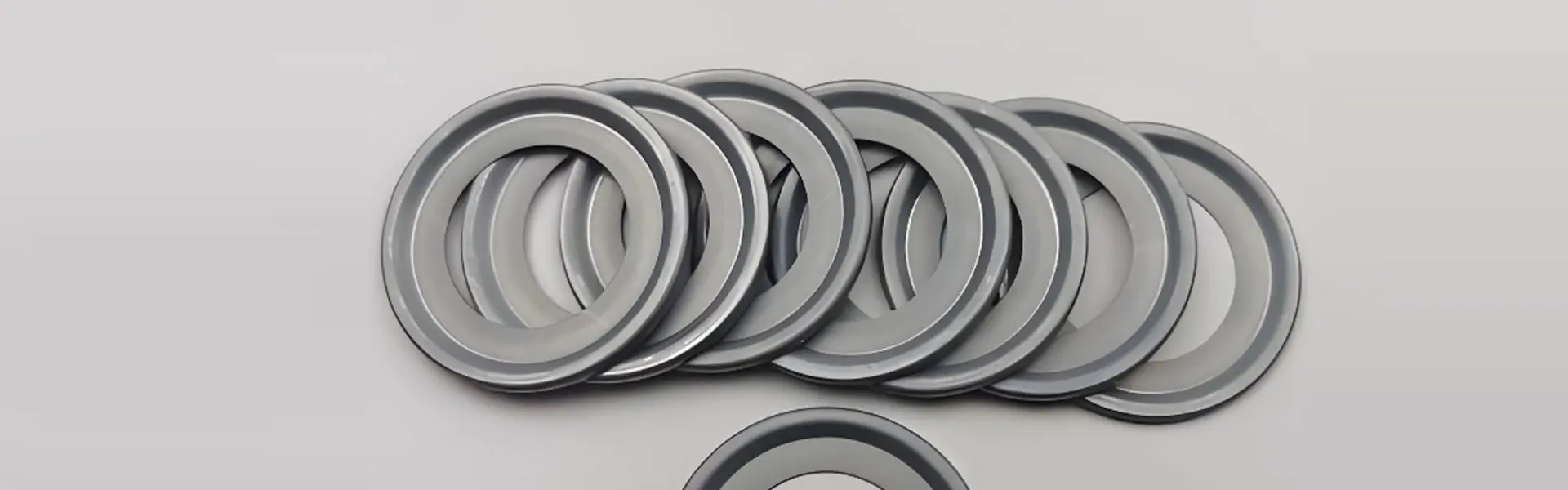
In the demanding world of industrial maintenance, pipeline integrity, and facility management, the right Sealing Tools are not just accessories; they are fundamental to operational safety, efficiency, and longevity. Whether you're dealing with high-pressure hydraulic systems, intricate plumbing, or critical gas lines, a compromised seal can lead to catastrophic failures, costly downtime, and significant safety hazards. This guide delves into the essential sealing tools that every professional toolkit should contain, with a detailed focus on the precision-engineered solutions offered by Kaxite.
Effective sealing requires a specialized set of tools designed for specific materials, pressures, and applications. The primary categories include:
Kaxite sealing tools are engineered for maximum reliability and user safety. Below are detailed specifications for some of our flagship product lines.
Designed for critical high-pressure applications in oil & gas and petrochemical industries.
| Model | Max Bolt Load | Bolt Size Range | Working Pressure | Pump Type | Weight (Main Unit) |
|---|---|---|---|---|---|
| Kaxite HFT-50 | 50 Tons | M24 - M36 | 700 Bar | Manual Hydraulic | 18.5 kg |
| Kaxite HFT-100 | 100 Tons | M36 - M64 | 700 Bar | Electric Hydraulic | 42 kg |
| Kaxite HFT-200 | 200 Tons | M64 - M100 | 700 Bar | Electric Hydraulic (Dual Pump) | 89 kg |
For fast, accurate, and clean fabrication of round gaskets directly on-site.
| Parameter | Specification |
|---|---|
| Cutting Range (Diameter) | 25 mm to 600 mm |
| Material Thickness | Up to 6 mm |
| Air Pressure Requirement | 6 - 8 Bar |
| Air Consumption | Approx. 90 l/min |
| Cutter Material | High-Speed Steel (HSS) Blade, Anodized Aluminum Body |
| Centering Mechanism | Integrated Magnetic Pilot & Adjustable Pivot Arm |
Q: Why is a specialized flange spreading tool necessary? Can't I just use a pry bar?
A: Using a pry bar or screwdriver to separate flanges is highly discouraged and considered unsafe professional practice. It poses several risks: it can score or gouge the critical sealing surface of the flange face, leading to inevitable leaks; it can cross-thread or damage the bolts; and it creates a significant pinch-point hazard for the operator. A dedicated flange spreader, like those from Kaxite, applies controlled, even force at designated points, safely creating a gap for gasket insertion without damaging the equipment or endangering personnel.
Q: What is the difference between bolt torquing and bolt tensioning, and which is better for sealing?
A: Bolt torquing uses a torque wrench to tighten a nut by applying a rotational force (torque). The goal is to achieve a specific clamp load. However, a significant portion of the torque (up to 50%) can be lost to friction in the threads and under the nut face, leading to inconsistent and unpredictable clamp load across multiple bolts. Bolt tensioning, on the other hand, uses hydraulic tools to stretch the bolt axially to a precise length/load before the nut is hand-tightened. This method is vastly superior for critical seals because it provides accurate, uniform, and verifiable clamp load directly on the bolt, minimizing friction-related errors and ensuring a perfectly even gasket compression. For high-pressure or large-diameter flanges, tensioning is the industry-recommended method.
Q: How do I select the right material for a hand-cut gasket using a tool like the Kaxite GC-Pro?
A: Material selection depends entirely on the service conditions of the joint. You must consider the "STAMP" parameters: Service (fluid/media being contained), Temperature (both operating and ambient), Application pressure, Mechanical load (vibration, pipe movement), and Physical/chemical compatibility. For example, use NBR for oil and fuel lines, EPDM for hot water and steam, PTFE for aggressive chemicals, and Graphite for extreme temperatures. Always consult the gasket material manufacturer's specifications and pressure/temperature ratings.
Q: Can I use a standard socket or wrench with a hydraulic tensioning tool?
A: No. Once a hydraulic tensioner has stretched the bolt to its target load, the accompanying nut must be "snugged down" or "brought home." This should be done using a standard hand wrench, not a power tool. The purpose is to simply close the gap between the nut and the flange face while the bolt is under full tension. Using a powered impact wrench at this stage can add uncontrolled additional torque, potentially over-stressing the bolt and defeating the precision of the tensioning process. Kaxite tool kits include clear instructions and the appropriate hand tools for this final step.
Q: How often should sealing tools be calibrated or inspected?
A: Regular inspection and calibration are crucial for safety and accuracy. For critical load-bearing tools like hydraulic tensioners and torque wrenches, a formal calibration by an accredited lab should be performed annually or per the manufacturer's recommendation (whichever is more frequent). Daily or pre-use visual inspections are mandatory: check for hydraulic fluid leaks, damaged hoses or fittings, cracked frames, worn or deformed load-bearing surfaces, and gauge functionality. Tools like mechanical seal drivers and gasket cutters require inspection for wear, sharpness, and structural integrity. Kaxite offers certified calibration services and detailed maintenance guidelines for all its equipment.
Q: What are the first steps if I discover a leak in a recently sealed joint?
A> First, ensure safety: isolate pressure and temperature if possible. Do not attempt to re-tighten a hot or pressurized joint. Once safe, systematically investigate: 1) Gasket: Was it the correct material and size? Was it damaged during installation? 2) Sealing Surfaces: Were the flange faces clean, undamaged, and aligned correctly? 3) Bolt Load: Was the proper tightening sequence and target load used and verified? 4) Tooling: Was the tooling used correctly and in good calibration? Often, the root cause is improper surface preparation or uneven bolt load. Dismantle, inspect all components, replace the gasket, and reassemble using the correct procedures and tools.