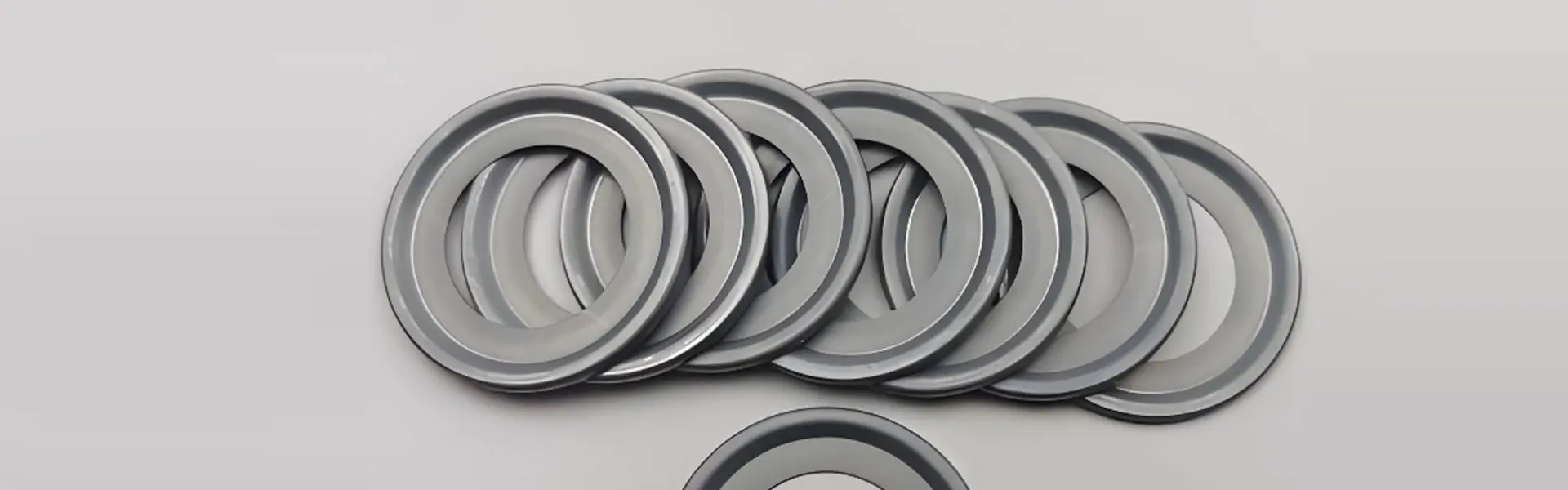
PTFE Sheet, also known as Teflon® sheet (a registered trademark of Chemours), is a versatile and high-performance engineering plastic material renowned for its exceptional chemical resistance, wide operating temperature range, and outstanding non-stick properties. As a cornerstone material in demanding industrial applications, PTFE sheets provide reliable solutions where other materials fail. At Kaxite, we engineer premium-grade PTFE sheets designed to meet the rigorous standards of modern industry, ensuring durability, safety, and optimal performance in the most challenging environments.
Polytetrafluoroethylene (PTFE) is a synthetic fluoropolymer that exhibits a unique combination of properties unmatched by most materials. Fabricated into sheets, it becomes an indispensable component across countless sectors. Kaxite's commitment to excellence is reflected in our meticulous manufacturing process, which focuses on purity, consistency, and dimensional accuracy. We utilize high-quality virgin PTFE resins and advanced processing techniques to produce sheets with superior mechanical strength, minimal deformation, and consistent dielectric properties. Choosing Kaxite means investing in a product backed by decades of material science expertise and a proven track record of reliability.
Kaxite offers a comprehensive range of PTFE sheets in various grades, sizes, and thicknesses to suit specific application needs. Below are our standard specifications.
| Grade | Description | Key Characteristics | Typical Applications |
|---|---|---|---|
| Virgin PTFE | Pure, unmodified PTFE from prime resin. | Highest chemical purity, excellent electrical properties, standard mechanical strength. | Chemical linings, electrical insulation, high-purity seals. |
| Glass Fiber Filled | PTFE compounded with glass microfibers. | Improved compressive strength, reduced creep (cold flow), enhanced wear resistance. | Heavy-duty bearings, thrust washers, bushings, compressor rings. |
| Carbon Filled | PTFE compounded with carbon powder or fibers. | Superior wear resistance, excellent thermal conductivity, increased stiffness. | Piston rings, seals for rotating shafts, applications requiring heat dissipation. |
| Bronze Filled | PTFE compounded with bronze powder. | High thermal conductivity, excellent wear resistance, good load-bearing capacity. | Bearings operating under high loads and low speeds, wear plates. |
| FDA Compliant | Virgin PTFE meeting FDA CFR 21 standards. | Safe for repeated food contact, retains all standard PTFE properties. | Food processing equipment, conveyor liners, pharmaceutical machinery. |
| Anti-Static / ESD | PTFE modified for controlled electrical conductivity. | Prevents static charge buildup, surface resistivity 10^6 to 10^9 ohms/sq. | Components for electronics manufacturing, cleanroom fixtures. |
| Sheet Size (mm) | Sheet Size (inches) | Available Thickness (mm) | Available Thickness (inches) |
|---|---|---|---|
| 500 x 500 | 19.7" x 19.7" | 0.5, 1, 1.5, 2, 3, 5, 6, 10, 12, 15, 20, 25, 30, 50 | 0.02", 0.04", 0.06", 0.08", 0.12", 0.2", 0.24", 0.4", 0.47", 0.59", 0.79", 0.98", 1.18", 1.97" |
| 1000 x 1000 | 39.4" x 39.4" | 1, 2, 3, 5, 6, 10, 12, 15, 20, 25, 30 | 0.04", 0.08", 0.12", 0.2", 0.24", 0.4", 0.47", 0.59", 0.79", 0.98", 1.18" |
| 1200 x 1200 | 47.2" x 47.2" | 3, 5, 6, 10, 12, 15, 20, 25 | 0.12", 0.2", 0.24", 0.4", 0.47", 0.59", 0.79", 0.98" |
| 1500 x 1500 | 59.1" x 59.1" | 5, 6, 10, 12, 15, 20 | 0.2", 0.24", 0.4", 0.47", 0.59", 0.79" |
| Property | Test Method | Metric Value | Imperial Value |
|---|---|---|---|
| Density | ASTM D792 | 2.15 - 2.20 g/cm³ | 0.077 - 0.079 lb/in³ |
| Tensile Strength | ASTM D638 | 25 - 35 MPa | 3600 - 5100 psi |
| Elongation at Break | ASTM D638 | 300 - 500 % | 300 - 500 % |
| Compressive Strength | ASTM D695 | 12 MPa | 1740 psi |
| Coefficient of Friction (Static) | ASTM D1894 | 0.05 - 0.08 | 0.05 - 0.08 |
| Continuous Service Temperature | - | -200°C to +260°C | -328°F to +500°F |
| Dielectric Strength | ASTM D149 | 60 kV/mm | 1500 V/mil |
| Volume Resistivity | ASTM D257 | >10^18 Ω·cm | >10^18 Ω·cm |
Q: What is the main difference between PTFE and Teflon®?
A: PTFE (Polytetrafluoroethylene) is the generic name for the chemical polymer. Teflon® is a well-known brand name for PTFE-based products owned by The Chemours Company. All Teflon® is PTFE, but not all PTFE is branded as Teflon®. Kaxite manufactures high-quality PTFE sheets that deliver performance characteristics equivalent to branded materials.
Q: Can Kaxite PTFE sheets be machined or fabricated?
A: Yes, PTFE is readily machinable using standard workshop tools for plastics, such as lathes, mills, drills, and saws. It can be cut, skived, turned, and milled to create custom parts like gaskets, seals, bushings, and insulators. Due to its plasticity, sharp tools and proper fixturing are recommended for achieving precise dimensions and smooth finishes.
Q: How do I choose the right PTFE grade for my application?
A: Selecting the correct grade depends on your primary performance requirement:
- For maximum chemical purity and electrical insulation, choose Virgin PTFE.
- For applications with high mechanical load and to minimize deformation (creep), select a Glass Fiber Filled grade.
- For sliding applications requiring superior wear resistance and thermal conductivity, Carbon Filled or Bronze Filled grades are ideal.
- For food, beverage, or pharmaceutical contact, specify the FDA Compliant grade.
Our technical team at Kaxite can assist you in making the optimal selection.
Q: What are the limitations of PTFE material?
A: While PTFE has outstanding properties, it has some limitations to consider: It has a relatively low mechanical strength compared to metals and some other plastics, making it unsuitable for high-stress structural parts. It is susceptible to "creep" or cold flow under sustained heavy loads, which is why filled grades are often used for bearings. It has poor radiation resistance and can be degraded by high-energy radiation. Also, pure PTFE has very high thermal expansion, which must be accounted for in design.
Q: How should PTFE sheets be stored and handled?
A: Store PTFE sheets in a cool, dry, and dark environment away from direct sunlight and heat sources. Keep them flat and supported to prevent bending or warping, especially thinner sheets. Sheets should be stored away from sharp objects to avoid surface scratches. No special handling precautions are needed for chemical safety, but wear gloves to prevent oils from skin contact if high purity is critical.
Q: Are Kaxite PTFE sheets suitable for outdoor use?
A: Absolutely. PTFE is inherently weather-resistant. It is unaffected by UV radiation, ozone, moisture, and temperature extremes within its operating range. This makes Kaxite PTFE sheets an excellent choice for outdoor electrical insulation, architectural components, and chemical handling equipment exposed to the elements.
Q: Can PTFE be bonded or welded to other materials?
A: Bonding PTFE is challenging due to its non-stick nature. Standard adhesives do not work. For reliable bonding, the PTFE surface must be pre-treated using a sodium etching process (also known as fluorocarbon treatment) or a specialist corona/plasma treatment to increase surface energy. After treatment, epoxy or specific PTFE-bonding adhesives can be used. Mechanical fastening is often a more practical alternative.
Q: What is the lead time for custom-sized or large orders of Kaxite PTFE sheets?
A: Standard sizes and thicknesses are typically available for immediate shipment or have short lead times. For custom-cut sizes, large-format sheets, or specialized grades, lead times can vary based on the order complexity and current production schedule. We recommend contacting the Kaxite sales department directly with your specific requirements for an accurate quotation and delivery timeline.