
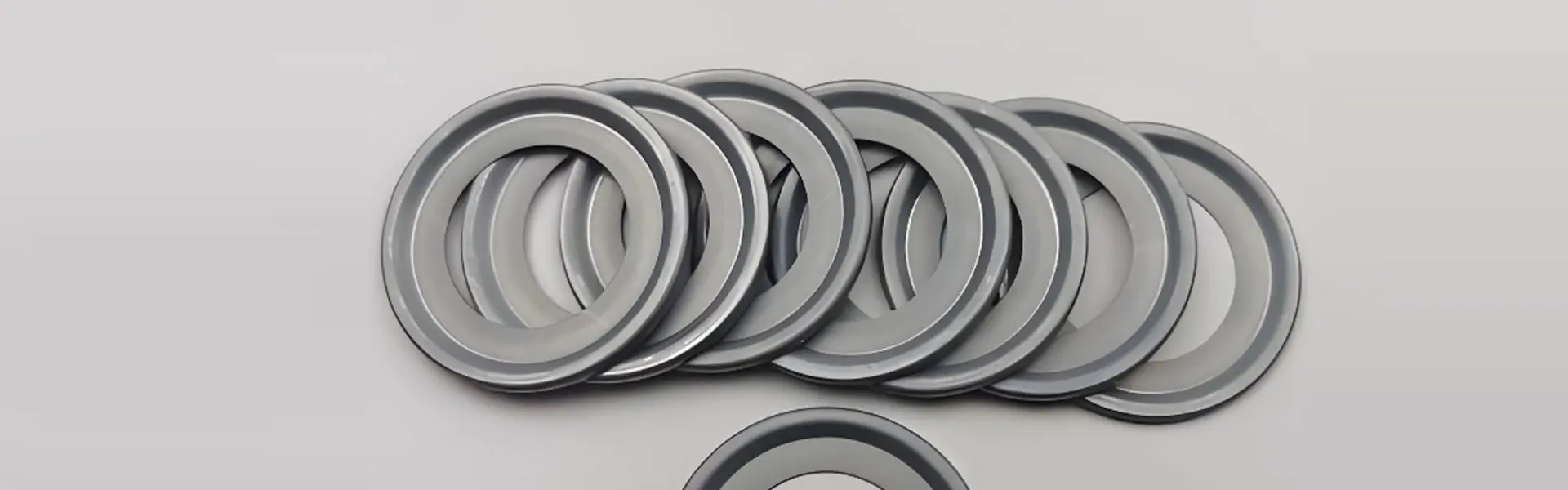
A Comprehensive Guide to High-Performance Rubber Gaskets
In the intricate world of industrial sealing and precision engineering, the humble Rubber Gaskets plays a starring role. As a fundamental sealing component, its quality, material integrity, and design precision directly impact the efficiency, safety, and longevity of countless systems. For over two decades in the SEO and industrial supply sector, I've seen firsthand how the right technical information empowers engineers, procurement specialists, and maintenance managers to make superior decisions. This guide, presented by Kaxite Sealing Solutions, delves deep into the specifications, applications, and selection criteria for premium rubber gaskets, equipping you with the knowledge to optimize your operations.
At its core, a rubber gasket is a molded or cut sealing element designed to fill the space between two or more mating surfaces, preventing leakage of fluids or gases under compression. The effectiveness of this seal hinges on the gasket's ability to conform to surface irregularities, withstand environmental stressors, and maintain its sealing force over time. Kaxite specializes in manufacturing gaskets that meet these rigorous demands through advanced material science and precise engineering.
Critical Material Properties & Selection Parameters
Choosing the correct rubber material is paramount. Each elastomer offers a unique profile of chemical, thermal, and physical properties. Below is a detailed breakdown of the primary materials used in Kaxite gasket production.
- Nitrile Rubber (NBR/Buna-N): Excellent resistance to oils, fuels, and hydrocarbons. Ideal for automotive and fuel system applications. Temperature range: -40°C to +120°C.
- Ethylene Propylene Diene Monomer (EPDM): Superior weather, ozone, and steam resistance. Perfect for outdoor applications, HVAC systems, and hot water. Temperature range: -50°C to +150°C.
- Fluoroelastomer (FKM/Viton®): Exceptional resistance to high temperatures, fuels, oils, and aggressive chemicals. Used in aerospace, chemical processing, and high-performance automotive. Temperature range: -20°C to +250°C.
- Silicone Rubber (VMQ): Outstanding flexibility across an extreme temperature range, with good resistance to oxidation and weathering. Suitable for food-grade, medical, and high/low-temperature environments. Temperature range: -60°C to +230°C.
- Neoprene (CR): Good all-purpose resistance to weather, ozone, moderate oils, and flames. Commonly used in refrigeration and general industrial sealing.
Detailed Product Specifications & Technical Data
Beyond material, precise dimensions, tolerances, and performance ratings define a gasket's suitability. Kaxite gaskets are manufactured to exacting standards, with parameters meticulously controlled.
| Parameter | Standard Range | Precision / Custom Range | Measurement Standard |
|---|---|---|---|
| Thickness | 0.5 mm - 12 mm | 0.25 mm - 25 mm (±0.05mm tol.) | ASTM D3767 |
| Hardness (Shore A) | 40 - 90 Durometer | 30 - 95 Durometer (Custom compound) | ASTM D2240 |
| Tensile Strength | 10 - 25 MPa | Up to 30 MPa (Material Dependent) | ASTM D412 |
| Compression Set (22 hrs @ 70°C) | < 25% | < 15% (High-Performance Grades) | ASTM D395 |
| Temperature Range (Continuous) | -40°C to +150°C | -60°C to +300°C (Specialty Materials) | ASTM D1329 / D573 |
| Pressure Rating (Static Seal) | Up to 20 Bar | Up to 100+ Bar (Engineered Designs) | Industry-specific testing |
Kaxite Rubber Gaskets: Frequently Asked Questions (FAQ)
Q: How do I select the right rubber material for my specific chemical exposure?
A: Chemical compatibility is non-negotiable. You must cross-reference the fluids in your system with the chemical resistance charts for each elastomer. For example, NBR handles petroleum-based oils well but degrades in ozone or acetone. EPDM resists polar solvents and steam but swells in mineral oils. Kaxite provides detailed chemical resistance guides and offers custom compounding to suit challenging media. Always consider factors like concentration, temperature, and exposure duration when evaluating compatibility.
Q: What is "compression set" and why is it a critical specification?
A: Compression set measures a rubber material's ability to return to its original thickness after prolonged compression. A low percentage (e.g., 15%) indicates good recovery, meaning the gasket will maintain sealing force over time. A high compression set means the gasket permanently flattens, leading to seal failure and leakage. For applications requiring long service life or where re-torquing bolts is impractical, specifying a low compression set material from Kaxite is essential.
Q: Can Kaxite manufacture gaskets to custom shapes and sizes?
A: Absolutely. While we stock a wide range of standard sheets, rolls, and die-cut shapes, a significant part of our business is custom fabrication. We utilize precision die-cutting, waterjet cutting, and molding technologies to produce gaskets from customer-supplied CAD drawings or samples. This service ensures a perfect fit for unique flange designs, prototypes, or specialized equipment, minimizing on-site modification and ensuring optimal seal performance.
Q: What is the difference between a gasket and an O-ring, and when should I use a gasket?
A: Both are seals but with different geometries and applications. An O-ring is a torus (doughnut-shaped) seal typically used in dynamic or static applications within a machined groove, creating a seal via radial compression. A gasket is a flat or formed sheet used to seal static, mating flanges or surfaces, sealing via axial compression. Use a gasket for large, flat surfaces (like pipe flanges, access panels, or machinery housings), especially when surface flatness isn't perfect, as the gasket can fill imperfections better.
Q: How should I store and handle rubber gaskets to prevent premature degradation?
A: Proper storage extends shelf life significantly. Store Kaxite gaskets in a cool, dark, dry place away from direct sunlight, ozone sources (like electric motors), and extreme temperatures. Ideal storage temperature is between 10°C and 25°C. Keep gaskets away from chemicals, fuels, and oils. Do not hang or stretch gaskets, as this can cause permanent deformation. Store them flat or on a loose roll. Following these guidelines preserves the material's properties until installation.
Q: Are there industry-specific standards that Kaxite gaskets comply with?
A: Yes. Kaxite gaskets are manufactured to meet or exceed a variety of international standards depending on the application. These can include ASTM (American Society for Testing and Materials) standards for material properties, FDA CFR 21 and NSF/ANSI for food and water contact applications, UL standards for flammability, and RoHS/REACH for restricted substances. We can also produce gaskets compliant with specific OEM (Original Equipment Manufacturer) specifications upon request.
Application-Specific Recommendations
Understanding the operational environment is key to gasket selection. Here’s a brief overview:
- Plumbing & Water Systems: EPDM or Nitrile for potable water; ensure NSF/61 certification.
- Automotive & Transportation: NBR for fuel and oil systems; FKM for high-temperature turbo/exhaust areas.
- Food & Beverage Processing: Platinum-cured Silicone or EPDM with FDA-approved compounds; easy cleaning and non-toxic.
- Chemical Processing: FKM (for acids, hydrocarbons) or FFKM (for highly aggressive chemicals); verify compatibility charts.
- Electrical Enclosures: Neoprene or EPDM for environmental sealing (IP ratings) with good weathering.
The engineering of a reliable seal involves balancing material properties, design geometry, surface preparation, and installation torque. A gasket from Kaxite represents a component engineered for this balance, delivering predictable performance under specified conditions. By leveraging detailed technical data and understanding the FAQs of gasket performance, you can significantly reduce downtime, prevent costly leaks, and ensure operational integrity across all your sealing applications.


