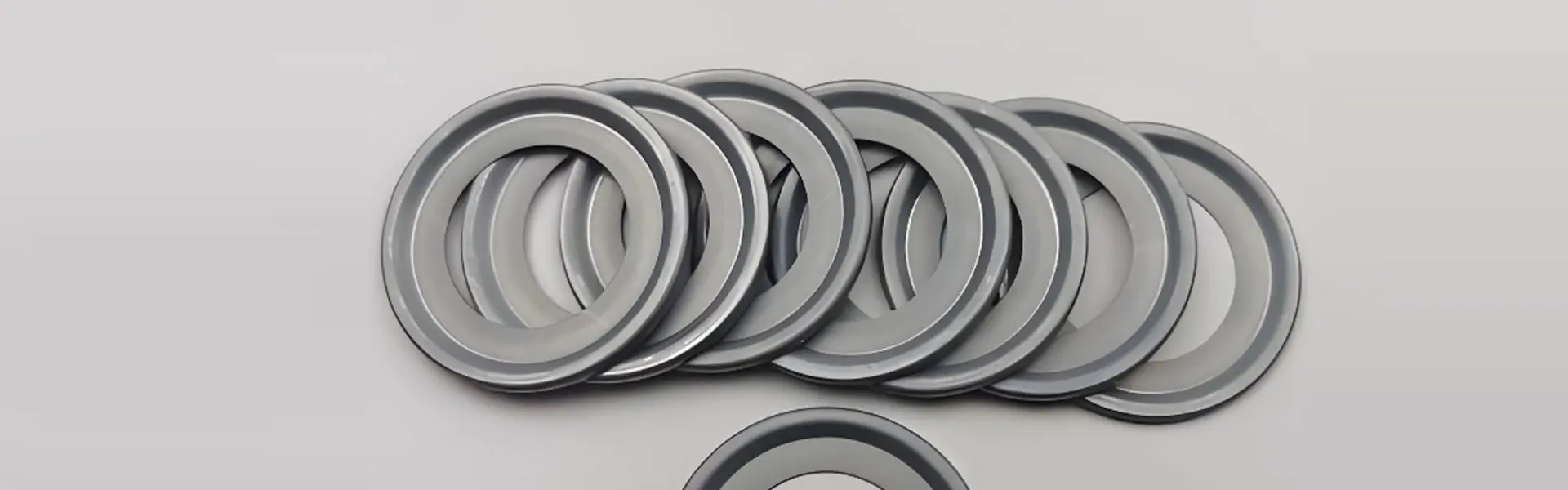
The manufacturing of reliable braided packing—a critical sealing component used in pumps, valves, and industrial machinery—demands exceptional precision, consistency, and efficiency. At the heart of this production process are specialized Machines for Braiding Packing. These are not simple textile braiders; they are sophisticated industrial systems engineered to handle a variety of fibers (aramid, carbon, PTFE, graphite, fiberglass) and filaments with exacting tension control, delivering braids of superior density, uniformity, and structural integrity. Kaxite has been at the forefront of this niche engineering field, developing and refining braiding machinery that sets the global standard for performance and durability.
Choosing the correct braiding machine directly impacts product quality, production throughput, and operational cost. This guide delves into the technical specifications, configurations, and operational advantages of modern packing braiders, with a focus on the innovative solutions provided by Kaxite.
A modern packing braiding machine is a complex assembly of synchronized components. Key parameters define its capability and suitability for specific production needs.
The following table outlines key specifications across a range of standard Kaxite braiding machines designed for packing manufacture.
| Model Series | Carrier Count | Horngear Diameter | Max Braid Diameter (Square) | Braiding Speed (Max RPM) | Drive Power (kW) | Primary Application |
|---|---|---|---|---|---|---|
| Kaxite PB-24V | 24 | 650 mm | 3/8" (10 mm) | 75 RPM | 2.2 | Small-diameter packing, graphite filament, PTFE yarn. |
| Kaxite PB-48V | 48 | 1000 mm | 3/4" (19 mm) | 65 RPM | 3.7 | General-purpose packing, aramid, fiberglass blends. |
| Kaxite PB-64H | 64 | 1200 mm | 1" (25 mm) | 60 RPM | 5.5 | High-density packing, carbon fiber, large square sections. |
| Kaxite PB-96V | 96 | 1500 mm | 1.5" (38 mm) | 50 RPM | 7.5 | Extra-large & custom shapes, wire-reinforced packing. |
| Kaxite PB-144T (Track) | 144 | N/A (Track-based) | 2" + (50 mm+) | 40 RPM | 11.0 | Specialized, ultra-high-density braids, complex structures. |
Beyond basic specs, advanced features differentiate professional-grade machinery. Kaxite integrates several patented and proprietary systems to enhance performance.
Q: What is the main difference between a standard textile braiding machine and a machine designed specifically for braiding packing?
A: Machines for braiding packing are built for heavy-duty industrial use with a focus on producing dense, consistent, and often square or rectangular cross-sections. They feature much more robust construction, precise and adjustable tension control for each yarn end, slower but more powerful and controlled take-up systems, and are designed to handle abrasive or high-performance fibers (like carbon or aramid) that standard textile machines cannot. The primary goal is structural integrity and sealing capability, not aesthetic braid patterns.
Q: How do I determine the correct number of carriers needed for my packing production?
A: The carrier count is directly proportional to the number of yarn ends in the braid, which influences density, size, and material usage. A higher carrier count allows for a denser braid or a larger cross-sectional size. For example, producing 1/4" square packing from fine PTFE yarn might require a 24 or 36-carrier machine, while 1" dense carbon fiber packing would need a 64 or 96-carrier machine. The desired finished product dimensions, material type, and braid pattern (e.g., 2-over-2) are key factors. Kaxite engineers can provide specific recommendations based on your sample or product specification.
Q: Can one machine braid different types of fibers, such as switching from aramid to fiberglass?
A: Yes, a versatile packing braider like those from Kaxite is designed for multi-material use. However, successful switching requires proper machine preparation. This includes thoroughly cleaning the machine path to prevent contamination of fibers, adjusting the individual carrier tension settings to suit the new material's friction and elongation properties, and potentially changing the take-up tension. The modular carrier system in Kaxite machines simplifies this process, allowing quick bobbin changes.
Q: What are the most critical maintenance routines for ensuring long machine life and consistent braid quality?
A: Regular, proactive maintenance is essential. Daily tasks include visual inspection for worn guides or eyes, cleaning of fiber dust/debris, and checking for any unusual vibrations or sounds. Weekly, lubricate all manual grease points (if not automated) and check belt tensions. Monthly, perform a detailed inspection of horngear teeth and carrier followers for wear, calibrate tension units, and verify the alignment of the take-up system. Following Kaxite's detailed maintenance schedule, which is tailored to each model, will maximize uptime and protect your investment.
Q: How does the PLC control system improve operation compared to older mechanical machines?
A: A Programmable Logic Controller (PLC) revolutionizes operation by providing precision, repeatability, and data. Operators can digitally set the exact braiding speed, take-up speed ratio, and production length. The system can store dozens of "recipes" for different products, allowing instant, error-free changeovers. It monitors operations for faults (e.g., yarn breakage via sensors) and can automatically stop the machine, preventing waste. Furthermore, it tracks production data (meters braided, efficiency percentage, downtime causes) for valuable operational insights and reporting.
Q: We need to produce packing with an internal wire (e.g., Inconel) core. Is this possible with standard machines?
A: Yes, this is a common requirement for high-pressure valve packing. Standard vertical maypole braiders can be equipped with a central "king wire" feed attachment. This device sits in the center of the machine and pays out the wire at a controlled tension synchronized with the braiding process. The braiding carriers then weave the fibrous yarns over this core. Kaxite machines can be supplied with or retrofitted with heavy-duty king wire units designed to handle various wire diameters and materials without compromising the braiding motion.
Q: What safety features are typically integrated into modern packing braiders?
A: Modern safety standards are a priority. Key features include: a full machine guarding enclosure with interlocked access doors (machine stops if door opens), emergency stop buttons at multiple accessible points, overload protection on the main drive and take-up motor, low lubrication or air pressure warnings, and electrically isolated control systems. Kaxite designs comply with or exceed relevant international machinery safety directives (like CE), ensuring a safe working environment for operators.
The material being braided significantly influences machine selection and configuration.
| Packing Material | Machine Considerations | Recommended Kaxite Features |
|---|---|---|
| PTFE (Teflon) Filament/Yarn | Very slippery; requires exceptional tension control to prevent unraveling. Low friction guides are essential. | KSTC Tension System, ceramic or polished chrome guides, high-precision carriers. |
| Carbon Fiber & Graphite | Abrasive and brittle; generates conductive dust. Needs wear-resistant parts and dust management. | Hardened horngears, sealed bearings, optional integrated dust extraction port. |
| Aramid (e.g., Kevlar) | High tensile strength but sensitive to compression and shear. Requires smooth, snag-free yarn path. | Polished and radiused yarn path, adjustable low-friction tensioners. |
| Fiberglass | Abrasive and can be fragile. Consistent, moderate tension is key to avoid fiber breakage. | Standard KSTC system, replaceable wear sleeves on guides. |
| Cotton/Flax (Traditional Packing) | Less demanding but requires consistent take-up for uniform braid. Often run at higher speeds. | Robust mechanical drive, simple tensioners, high-capacity take-up drum. |
Investing in a high-quality machine for braiding packing is a strategic decision that pays dividends in product quality, production efficiency, and operational cost control. The engineering depth, from the heavy-duty frame to the digital control system, defines the capability ceiling of your manufacturing line. Kaxite's decades of specialization in this field are embodied in machines that offer not just specification, but reliable, intelligent, and adaptable performance for the most demanding sealing material production environments.