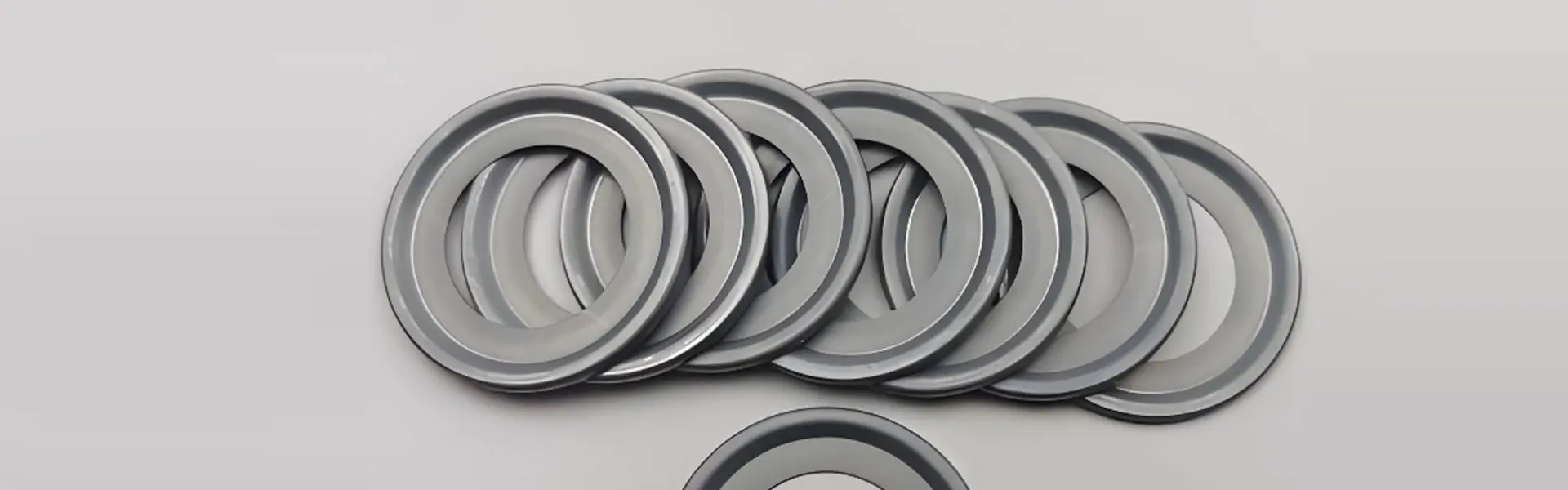
Carbon fiber is a high-performance material consisting of thin, strong crystalline filaments of carbon. These fibers are woven into fabrics or combined with epoxy resins and other matrices to form advanced composite materials. Renowned for an exceptional strength-to-weight ratio, carbon fiber composites are significantly lighter than metals like steel or aluminum while offering superior tensile strength and stiffness. This makes it an indispensable material in industries where performance, efficiency, and precision are non-negotiable, such as aerospace, automotive, motorsports, marine engineering, sports equipment, and high-end consumer goods. At Kaxite, we specialize in engineering and manufacturing premium-grade carbon fiber products that meet the stringent demands of professionals and enthusiasts alike.
Kaxite is a trusted leader in advanced composite solutions. Our carbon fiber products are the result of decades of material science innovation and precision manufacturing. We don't just supply material; we deliver engineered solutions. Every Kaxite carbon fiber component is designed with a focus on:
Understanding the technical specifications is crucial for selecting the right carbon fiber. Below are the key parameters that define Kaxite's product lines.
| Weave Type | Description | Typical Areal Weight | Best Applications |
|---|---|---|---|
| Plain Weave | A simple over-and-under pattern. Offers good stability and a balanced finish. Easy to handle. | 200 gsm | Flat panels, interior trim, consumer electronics casings. |
| Twill Weave (2x2, 4x4) | Characteristic diagonal pattern. Excellent drapeability, conforms well to complex curves. The most common aesthetic finish. | 3K: 200 gsm, 6K: 400 gsm | Automotive body panels, bicycle frames, drone arms, high-visibility components. |
| Unidirectional (UD) | All fibers run parallel in a single direction, bonded by a light scrim. Provides maximum strength and stiffness along the fiber direction. | 150 gsm, 300 gsm | Structural spars, leaf springs, fishing rods, anywhere directional reinforcement is key. |
| Biaxial & Triaxial (±45°, 0/90°) | Multiple layers of UD stitched together at specific angles (e.g., +45°/-45°). Provides multi-directional strength. | 300-600 gsm | Monocoque chassis, boat hulls, pressure vessels, impact-resistant structures. |
| Parameter | Standard Modulus | Intermediate Modulus | High Modulus |
|---|---|---|---|
| Tensile Strength | 3,900 MPa | 4,500 MPa | 3,600 MPa |
| Tensile Modulus | 230 GPa | 280 GPa | 350 GPa |
| Density | 1.78 g/cm³ | 1.80 g/cm³ | 1.84 g/cm³ |
| Fiber Type | T300 / T700 | IM7 / T800 | HM50 / M60J |
| Typical Resin System | Standard Epoxy | High-Performance Epoxy | High-Temp / Aerospace Epoxy |
| Key Advantage | Cost-effective, high strength | Balanced strength & stiffness | Maximum rigidity, low thermal expansion |
Q: What is the main advantage of using carbon fiber over aluminum or steel?
A: The primary advantage is its exceptional strength-to-weight ratio. A component made from carbon fiber can be 5 times stronger than steel at the same weight, or weigh half as much as aluminum while being equally strong. This leads to significant performance gains in acceleration, fuel efficiency, agility, and payload capacity.
Q: Is carbon fiber conductive? Can it cause electrical shorts?
A: Yes, carbon fiber is electrically conductive. The carbon filaments can conduct electricity, which is a critical consideration in applications near wiring or electronics (e.g., drones, automotive engine bays). Proper insulation or protective coatings are necessary to prevent galvanic corrosion when in contact with metals like aluminum and to avoid short circuits.
Q: What does "3K" or "12K" mean in carbon fiber?
A: The "K" number refers to the number of thousands of filaments in a single tow (bundle) of carbon fiber. A 3K tow has 3,000 filaments, a 12K tow has 12,000. A lower K-count (like 1K or 3K) means finer fibers and a tighter, more detailed weave pattern, often used for cosmetic surfaces. Higher K-counts (12K, 24K) use thicker tows, resulting in a more pronounced texture and are often used in structural layers for faster build-up.
Q: How durable is carbon fiber? Does it crack easily?
A: Carbon fiber composites have excellent fatigue resistance and do not corrode like metals. However, their durability is anisotropic—meaning it depends on the direction of force. While incredibly strong in tension along the fiber direction, they can be susceptible to impact damage (e.g., a sharp, focused impact) which may cause internal delamination or visible cracks. Kaxite utilizes advanced resin systems and layup techniques to maximize impact resistance.
Q: Can carbon fiber be repaired if damaged?
A: Yes, skilled technicians can repair damaged carbon fiber components. The process involves removing damaged material, carefully sanding, and building up new layers of fabric and resin, followed by curing and finishing. For critical structural parts, it's essential to consult a professional, as improper repair can compromise integrity. Kaxite offers repair guidelines and support for its products.
Q: What is the difference between "dry carbon" and "wet carbon" fabrication?
A: These terms refer to manufacturing methods. "Wet carbon" or "wet lay-up" involves hand-saturating dry fabric with resin during the molding process. "Dry carbon" typically refers to parts made from Pre-Preg (pre-impregnated fabric), which is cured under high heat and pressure in an autoclave. Pre-Preg/autoclave parts generally offer higher fiber volume, superior consistency, and better mechanical properties than wet lay-up, but at a higher cost.
Q: How does Kaxite ensure the quality of its carbon fiber products?
A: Kaxite implements rigorous quality control at every stage. We source premium-grade polyacrylonitrile (PAN) precursor fibers and partner with top resin chemists. Our manufacturing uses automated cutting, precision layup, and controlled curing processes (oven & autoclave). Every batch undergoes testing for key parameters like tensile strength, modulus, and void content. Our commitment is to deliver material that performs exactly as specified.
Q: Can Kaxite produce custom carbon fiber parts?
A: Absolutely. Customization is a core strength at Kaxite. We work with clients from the design phase, offering expertise in fiber orientation, resin selection, and manufacturing method. We can produce custom molds and manufacture low-to-medium volume production runs of complex parts, ensuring they meet precise technical and aesthetic requirements.
The versatility of Kaxite carbon fiber enables breakthroughs across diverse sectors: