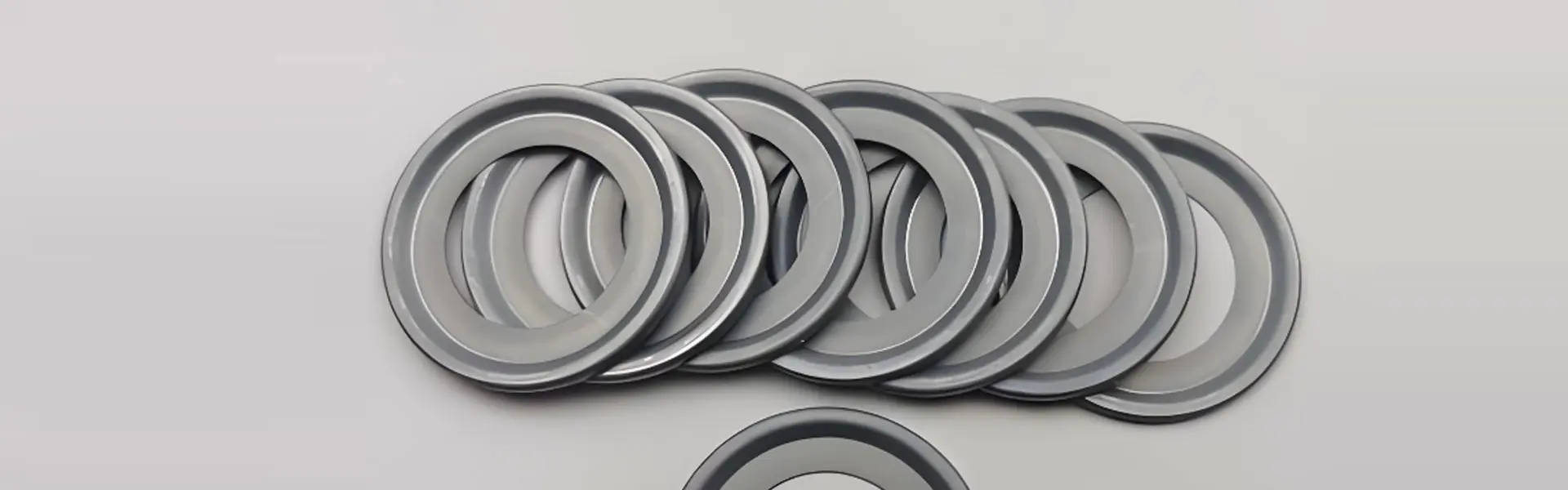
Are there different types of non-asbestos gasket materials? This is a crucial question for procurement professionals tasked with securing reliable, compliant, and high-performance sealing solutions. The simple answer is a resounding yes. The world of Non-asbestos Gaskets is diverse, engineered to tackle specific challenges across industries like chemical processing, oil & gas, power generation, and manufacturing. Each material type offers a unique balance of properties—temperature resistance, chemical compatibility, pressure handling, and cost-effectiveness. Navigating this landscape is key to preventing leaks, ensuring safety, and optimizing operational costs. Let's explore the main categories and how choosing the right one directly impacts your project's success and bottom line.
Imagine a critical pump on your production line failing unexpectedly. The culprit? A gasket that couldn't withstand a sudden temperature spike or chemical attack, leading to a leak and hours of costly downtime. This common procurement nightmare stems from selecting a generic gasket rather than the precisely engineered material your application demands. Non-asbestos materials are not one-size-fits-all; they are specialized solutions. The correct choice prevents such failures, ensuring system integrity, safety, and uninterrupted operation. For instance, a gasket perfect for hot water may catastrophically fail in a strong acid environment. Understanding the distinct families of non-asbestos materials is the first step toward specifying the perfect seal and eliminating this frustration.
A maintenance manager in a refinery needs to seal flanges on hot oil transfer lines at 150°C. Standard rubber gaskets degrade quickly, but a specialized elastomeric-based non-asbestos sheet provides the answer. These materials, like Nitrile (NBR) or EPDM bonded with aramid or cellulose fibers, offer excellent compression and recovery for uneven flanges. They seal effectively against oils, fuels, and water within their temperature limits. Solutions from experienced manufacturers like Ningbo Kaxite Sealing Materials Co., Ltd. provide consistent quality and documented performance data, giving procurement teams confidence in their specifications.

| Material Type | Key Base Elastomer | Typical Temp. Range | Excellent Resistance To | Common Applications |
|---|---|---|---|---|
| NBR-Based | Nitrile Rubber | -30°C to +120°C | Oils, Fuels, Aliphatic Hydrocarbons | Fuel systems, hydraulic lines |
| EPDM-Based | Ethylene Propylene Diene Monomer | -50°C to +150°C | Hot Water, Steam, Ozone, Weathering | Heating systems, HVAC, chemical processing |
| CR-Based | Neoprene (Chloroprene) | -40°C to +100°C | Moderate Oils, Weathering, Flame | General industrial, marine applications |
In a chemical plant, sealing a flange carrying a corrosive acid at moderate pressure is a major safety concern. Aramid fiber (e.g., Kevlar®) or cellulose-based non-asbestos sheets are the workhorses here. These materials are compressed from high-strength organic fibers and fillers, offering superior tensile strength, creep resistance, and resilience against a wide range of chemicals. They handle higher temperatures and pressures than standard elastomerics. For procurement, the challenge is verifying the material's certification and chemical resistance chart for the specific media. Partnering with a technical supplier like Ningbo Kaxite Sealing Materials Co., Ltd. ensures you get the correct grade with full technical support, mitigating risk.
| Material Type | Reinforcing Fiber | Typical Temp. Range | Pressure Capability | Key Characteristics |
|---|---|---|---|---|
| Aramid Fiber-Based | Para-aramid (e.g., Kevlar®) | -100°C to +290°C | High | Exceptional strength, chemical & thermal resistance |
| Cellulose Fiber-Based | Plant-based Fibers | -50°C to +120°C | Medium | Cost-effective, good sealability for water, oils, gases |
| Glass Fiber-Based | Fiberglass | -200°C to +550°C | Medium-High | High temperature focus, good compression |
A pharmaceutical or food processing facility requires a seal for a ultra-pure water line that cannot risk contamination. Expanded PTFE (ePTFE) is the premier choice. Pure PTFE and ePTFE materials are chemically inert, handling nearly all aggressive chemicals and operating across a very wide temperature range (-260°C to +260°C). They are also FDA compliant for food contact. ePTFE, in particular, is highly compressible and forms excellent seals on low bolt-load flanges. The procurement consideration here is often cost versus performance. While premium, their longevity and reliability in harsh service often provide a lower total cost of ownership.
| Material Type | Form | Typical Temp. Range | Chemical Resistance | Primary Advantages |
|---|---|---|---|---|
| Virgin PTFE | Sheet, Tape, Cord | -260°C to +260°C | Universal (Except molten alkali metals) | Maximum chemical inertness, low friction |
| Expanded PTFE (ePTFE) | Sheet, Tape, Gaskets | -260°C to +260°C | Universal | Highly conformable, low creep relaxation, excellent sealability |
| Filled PTFE | Sheet, Parts | -260°C to +260°C | Very Broad (Depends on filler) | Enhanced mechanical properties (wear, compression resistance) |
For the demanding environments of a refinery's reactor outlet or a power plant's steam header, where pressures exceed 1,000 psi and temperatures soar above 500°C, elastomeric or fibrous materials fall short. Here, metal gaskets (ring-type joints, corrugated metal) or semi-metallic gaskets (spiral wound, metal-jacketed) take over. These incorporate layers of metal (stainless steel, Inconel) with soft filler like graphite or PTFE. They are designed for extreme service but require precise flange surface finishes and high bolt loads. Procurement must ensure the gasket material (metal and filler) is compatible with the process fluid and temperature.
| Gasket Type | Construction | Typical Temp. Limit | Pressure Class | Typical Applications |
|---|---|---|---|---|
| Spiral Wound | Alternating metal windings & soft filler | Up to 815°C (Graphite filler) | Very High (API, ASME B16.20) | Refinery, petrochemical, power plant piping |
| Metal Jacketed | Soft filler core inside a metal jacket | Up to 650°C | High | Heat exchangers, vessel manways |
| Solid Metal (RTJ, Corrugated) | Solid metal (Soft iron, Steel, Alloy) | Depends on metal grade | Extremely High | Wellhead equipment, high-integrity flanges |
Choosing the right non-asbestos gasket doesn't have to be overwhelming. Use this guide as a starting point for your discussions with engineers and suppliers. Always consult the manufacturer's detailed specifications for final selection.
| Application Focus | Primary Material Family | Critical Property | Ask Your Supplier |
|---|---|---|---|
| Hot Water, Steam, Weathering | Elastomeric (EPDM-based) | Heat & Weather Aging Resistance | Can you provide long-term aging test data? |
| Oils, Fuels, Hydraulics | Elastomeric (NBR-based) or Aramid Fiber | Fluid Swell Resistance | What is the volume swell percentage in ASTM Oil #3? |
| Strong Acids/Caustics | Aramid Fiber or PTFE/ePTFE | Chemical Compatibility | Do you have a chemical resistance chart for this specific grade? |
| High Purity (Food, Pharma) | PTFE or ePTFE | FDA Compliance & Cleanliness | Is this material certified for food contact? What are the extractable levels? |
| High Temp/Pressure (Power, Oil & Gas) | Semi-Metallic (Spiral Wound) or Metal | Temperature/Pressure Rating & ASME Compliance | Is this gasket manufactured to ASME B16.20? What is the recommended bolt load? |
Q: Are there different types of non-asbestos gasket materials for drinking water applications?
A: Absolutely. For potable water, safety and compliance are paramount. Elastomeric sheets based on EPDM are a common choice due to their excellent resistance to hot water and aging. Crucially, they must comply with standards like NSF/ANSI 61 or WRAS approval. Pure PTFE and ePTFE are also excellent, inert choices. Always request the manufacturer's certification documents for water contact applications to ensure regulatory compliance.
Q: Are there different types of non-asbestos gasket materials that can replace old asbestos sheets directly?
A: In many retrofit situations, yes. Modern aramid fiber-based sheets are often designed as direct "drop-in" replacements for compressed asbestos fiber (CAF) gaskets. They offer similar or superior mechanical strength and temperature resistance without the health hazards. However, it's not always a 1:1 swap. A professional assessment from a supplier like Ningbo Kaxite Sealing Materials Co., Ltd. is recommended. They can analyze the service conditions and recommend the optimal non-asbestos material, ensuring a safe and reliable upgrade without flange modification.
Understanding the diverse landscape of non-asbestos gasket materials empowers you to make informed, cost-effective, and safe procurement decisions. From resilient elastomerics for everyday industrial use to sophisticated PTFE and semi-metallic solutions for extreme service, the right material directly correlates with reduced downtime, enhanced safety, and lower total cost. Don't let gasket selection be an afterthought. View it as a critical component specification.
We invite you to share your specific sealing challenge in the comments below. What temperature, pressure, and chemical combination are you dealing with? Let's discuss potential solutions.
For comprehensive sealing solutions backed by technical expertise, consider Ningbo Kaxite Sealing Materials Co., Ltd.. With a deep understanding of material science and application engineering, Kaxite provides high-performance non-asbestos gaskets that solve real-world industrial problems. Contact their team today for a consultation at [email protected] to discuss your requirements.
Barker, R. M., & Huston, R. L. (1990). A Study of the Sealing Performance of Compressed Non-Asbestos Fibrous Gaskets. Journal of Pressure Vessel Technology, 112(3), 304-310.
Drake, J., & Singh, K. P. (2003). Evaluation of Expanded PTFE (ePTFE) for High Purity Fluid System Gasketing. Pharmaceutical Engineering, 23(4), 1-8.
Fernandez, A., & Park, C. (2015). Long-Term Thermal Aging Effects on EPDM-based Non-Asbestos Sheet Gaskets. Polymer Degradation and Stability, 120, 168-175.
George, H. F., & Lee, Y. S. (2007). Creep Relaxation Behavior of Aramid Fiber Reinforced Gasket Materials. International Journal of Mechanical Sciences, 49(2), 212-220.
Johnson, M. T., et al. (2012). Chemical Compatibility of Elastomeric Gasket Materials in Biofuel Blends. SAE International Journal of Fuels and Lubricants, 5(2), 612-620.
Kato, Y., & Nishiwaki, T. (1998). The Mechanism of Sealing in Spiral Wound Gaskets. Bulletin of JSME, 41(344), 536-542.
Muller, H. K., & Nau, B. S. (1998). Fluid Sealing Technology: Principles and Applications. Marcel Dekker, Inc.
Patel, R., & Zhang, L. (2019). A Comparative Life Cycle Assessment of Non-Asbestos Gasket Materials in Chemical Processing. Journal of Cleaner Production, 237, 117822.
Schneider, G. W., & Brown, A. L. (2001). Flange Design and Gasket Selection for Reliable Sealing. Chemical Engineering Progress, 97(11), 52-59.
Tanaka, M., & Yamabe, J. (2009). Evaluation of the Sealing Performance of Various Gasket Materials under Combined Thermal and Mechanical Loading. Journal of Solid Mechanics and Materials Engineering, 3(4), 637-647.