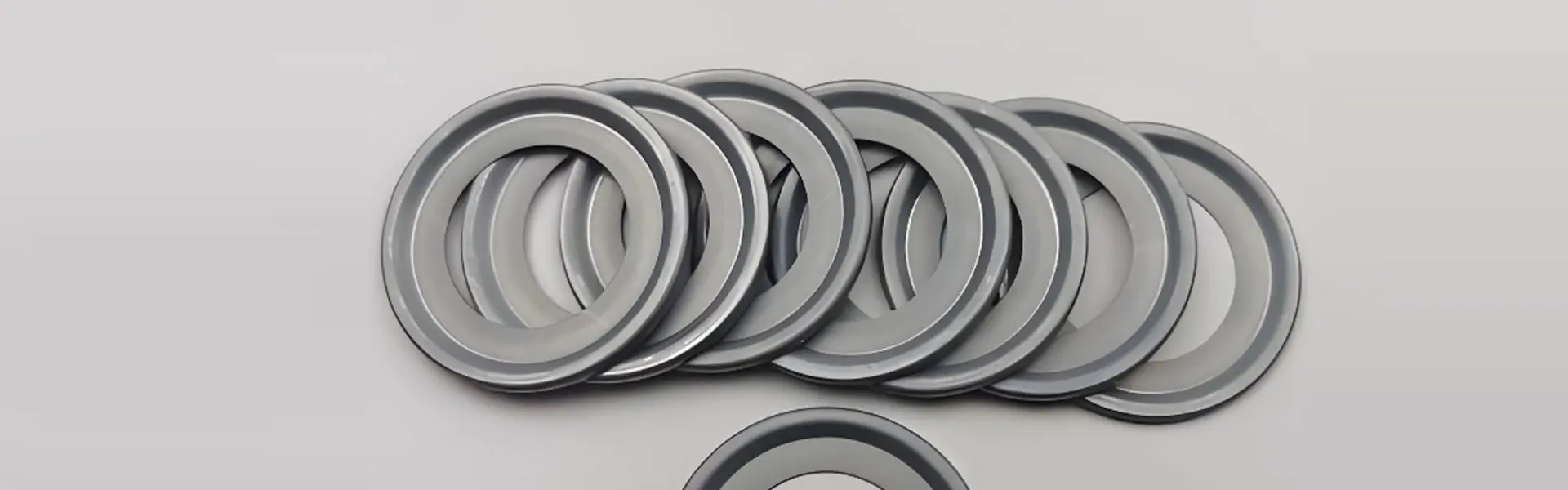
In the vast landscape of industrial materials, the Rubber sheet stands as a fundamental component, critical to countless applications across diverse sectors. From sealing and gasketing to vibration damping and protective lining, its versatility is unmatched. At Kaxite, we have dedicated decades to mastering the formulation, manufacturing, and application of high-performance rubber sheets. This guide serves as a detailed resource, offering professional insights into the technical parameters, material types, and practical considerations essential for specifying the correct rubber sheet for your project.
The performance of a rubber sheet is intrinsically linked to its polymer base. Selecting the right material is the first and most crucial step. Below is a detailed breakdown of the most common elastomers used in sheet manufacturing.
| Material Type | Key Characteristics | Temperature Range | Primary Applications | Resistance Profile |
|---|---|---|---|---|
| Nitrile Rubber (NBR) | Excellent resistance to oils, fuels, and aliphatic hydrocarbons. Good abrasion resistance. | -40°C to +120°C (-40°F to +248°F) | Gaskets in fuel systems, oil seals, hydraulic hoses, machinery pads. | Excellent oil/fuel resistance. Poor ozone/weathering resistance. |
| Neoprene (CR) | Good all-purpose resistance to weather, ozone, moderate oils, and flame. Good mechanical properties. | -40°C to +100°C (-40°F to +212°F) | Weather seals, HVAC gaskets, marine applications, conveyor belts, protective linings. | Good weather, ozone, and moderate oil resistance. Self-extinguishing. |
| EPDM Rubber | Superior resistance to weathering, ozone, steam, and polar chemicals. Excellent electrical insulation. | -50°C to +150°C (-58°F to +302°F) | Outdoor roofing membranes, automotive weather-stripping, cooling system hoses, electrical insulation. | Excellent weather/ozone/steam resistance. Poor oil and solvent resistance. |
| Silicone Rubber | Extreme temperature stability, high flexibility, inert and non-toxic. Excellent dielectric properties. | -60°C to +230°C (-76°F to +446°F) | Food & medical grade seals, high-temperature gaskets, insulation, aerospace, laboratory equipment. | Excellent high/low temp, UV, and oxidation resistance. Poor tear strength. |
| Natural Rubber (NR) | High tensile strength, elasticity, and tear resistance. Good dynamic properties. | -50°C to +80°C (-58°F to +176°F) | Anti-vibration mounts, springs, tire components, adhesives, footwear. | Good mechanical properties. Poor oil, ozone, and weathering resistance. |
| Fluoroelastomer (FKM/Viton®) | Exceptional resistance to high temperatures, oils, fuels, acids, and aggressive chemicals. | -20°C to +200°C (-4°F to +392°F) | Aerospace, automotive (fuel systems), chemical processing seals, O-rings for aggressive fluids. | Excellent chemical, oil, and high-temperature resistance. Expensive. |
Beyond material type, a rubber sheet is defined by a set of precise physical and mechanical properties. Kaxite ensures all our sheets are manufactured to consistent, high-tolerance specifications. Here are the key parameters you should evaluate.
What is the main difference between a rubber sheet and a rubber gasket?
A rubber sheet is the raw, bulk material sold in rolls or flat sheets, which can be cut and fabricated into various components. A rubber gasket is a finished, pre-cut sealing component designed for a specific flange or joint. Essentially, the sheet is the raw material; the gasket is the manufactured part made from it.
How do I determine the correct rubber material for my application?
The selection is based on the operating environment. You must identify the key media (oil, water, chemicals, ozone), temperature range (both continuous and peak), pressure requirements, and mechanical stresses (abrasion, compression). Cross-reference these factors with the material property tables above. For complex chemical exposure, Rubber resistance charts or consultation with a Kaxite technical specialist is recommended.
Can Kaxite rubber sheets be used for outdoor applications?
Yes, but material selection is critical. EPDM is the premier choice for long-term outdoor exposure due to its outstanding resistance to UV radiation, ozone, and weathering. Neoprene also offers good outdoor stability. Materials like Natural Rubber or NBR will degrade quickly if not specifically compounded with anti-ozonants and protectants.
What is the significance of hardness in a rubber sheet?
Hardness dictates the sealability and load-bearing capability. Softer sheets (lower Shore A) conform more easily to irregular surfaces, creating a better seal with lower bolt torque. Harder sheets provide more structural support and resistance to extrusion under high pressure but require more force to compress and seal effectively.
How should I store rubber sheets to maximize their shelf life?
Store sheets in a cool, dry, dark place away from direct sunlight, ozone sources (like electric motors), and heat. Ideal storage temperature is between 10°C and 25°C (50°F and 77°F). Keep sheets laid flat or on a large-diameter core to avoid permanent creasing or deformation. Do not store under tension, compression, or in contact with sharp objects.
Are there food-grade or medical-grade compliant rubber sheets available?
Absolutely. Kaxite offers silicone and certain grades of EPDM that are compliant with standards such as FDA CFR 21, NSF 51, USP Class VI, and EU Regulation 10/2011 for food contact. These materials are formulated with non-toxic, non-leaching ingredients and are suitable for applications in food processing, pharmaceutical, and medical device manufacturing.
What fabrication options are available for rubber sheets?
Rubber sheets can be fabricated using various methods: die-cutting for high-volume, precision shapes; waterjet or laser cutting for complex prototypes or low-volume runs; slitting for creating specific widths; and punching for creating holes or simple geometries. Kaxite provides both the raw sheet material and custom fabrication services.
How does temperature affect the performance of a rubber sheet?
Temperature extremes significantly impact properties. At low temperatures, most elastomers become stiff and lose elasticity, potentially leading to seal failure. At high temperatures, rubber can harden (become brittle) or soften, leading to a higher compression set and loss of sealing force. Always ensure the chosen material's rated temperature range exceeds your application's maximum and minimum operating temperatures.
The utility of a high-quality rubber sheet is evident in its widespread use. Kaxite products are engineered to meet the rigorous demands of these applications.
Kaxite distinguishes itself through an unwavering commitment to quality, consistency, and technical expertise. Our manufacturing process utilizes premium-grade raw polymers and follows strict quality control protocols at every stage. We offer not just a product, but a solution—providing detailed technical data sheets, material selection support, and custom compounding to meet unique application challenges. Our inventory encompasses a wide range of standard materials, thicknesses, and sizes, ready for prompt delivery, while our engineering team stands ready to develop specialized formulations when off-the-shelf options are insufficient.