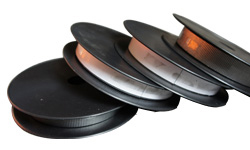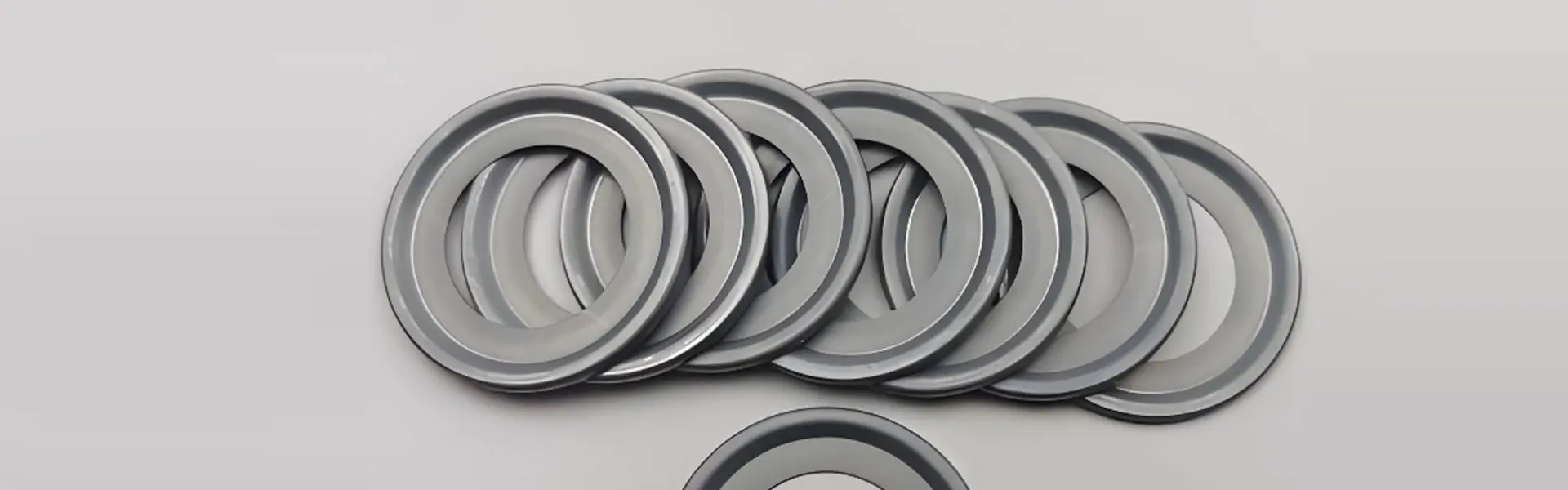
In the world of sealing, bonding, and insulating, gasket tape stands out as a versatile and indispensable solution for professionals and DIY enthusiasts alike. Essentially, it is a compressible, pressure-sensitive tape designed to create a reliable seal between two surfaces. Unlike liquid gaskets or pre-cut gaskets, gasket tape offers unparalleled ease of application, conformability, and resistance to environmental factors. From automotive repairs and plumbing to HVAC systems and electronic enclosures, the applications are virtually limitless. A high-quality gasket tape, like those engineered by Kaxite, provides a durable barrier against moisture, dust, gases, vibration, and temperature extremes, ensuring the longevity and proper function of your equipment and assemblies.
At Kaxite, we have dedicated years of research and development to perfecting our gasket tape formulations. Our products are not just strips of material; they are precision-engineered sealing solutions. We understand that every application has unique challenges, which is why we offer a range of tapes with specific properties. Our manufacturing process emphasizes consistency in thickness, adhesion, and material composition, guaranteeing that every roll of Kaxite gasket tape performs exactly as expected, project after project. Whether you're facing high-temperature engine components or delicate electronic housings, Kaxite provides a tape that balances robust sealing with easy, clean application.
Selecting the right gasket tape requires a clear understanding of its technical parameters. Below, we break down the key specifications of our flagship Kaxite gasket tape series using lists and tables for clarity.
| Parameter | Test Method | Typical Value (Kaxite Standard Series) | Notes |
|---|---|---|---|
| Thickness | ASTM D3652 | 1.0 mm, 1.5 mm, 2.0 mm, 3.0 mm | Tolerance: ±0.1mm |
| Width | - | 12 mm, 25 mm, 50 mm, 100 mm | Custom widths available on request |
| Roll Length | - | 10 meters, 20 meters, 33 meters | Standard lengths; bulk rolls up to 50m |
| Density | ASTM D3575 | 32 kg/m³ (±10%) | Ensures optimal compressibility and recovery |
| Temperature Range | Continuous Service | -40°C to +110°C (-40°F to +230°F) | Short-term peaks up to +130°C tolerated |
| Tensile Strength | ASTM D3575 | > 200 kPa | Provides durability during handling and compression |
| Adhesion to Steel | ASTM D3330 | > 25 N/100mm (Peel Adhesion) | Strong initial tack and long-term bond |
| Compression Set (22 hrs @ 70°C) | ASTM D3575 | < 15% | Low compression set for lasting seal integrity |
| Water Absorption | ASTM D570 | < 1.0% by volume | Excellent water and humidity resistance |
| Flame Rating | UL 94 | HB | Self-extinguishing |
Q: What surfaces is Kaxite gasket tape suitable for?
A: Kaxite gasket tape is designed to adhere to a wide variety of clean, dry, and smooth surfaces. This includes metals (painted, plated, or bare aluminum/steel), most plastics (PP, ABS, PC, PVC), painted wood, glass, and ceramics. For optimal adhesion, surface preparation is key: remove all dust, oil, grease, and loose particles using isopropyl alcohol or a similar cleaner. It is not recommended for use on porous surfaces like untreated wood or concrete, or on surfaces with heavy texture.
Q: How do I apply gasket tape correctly for the best seal?
A: For a perfect seal, follow these steps: 1) Clean the application surface thoroughly as described above. 2) Measure and cut the required length of tape. 3) Peel back a small section of the release liner and align the tape accurately on one surface. 4) While pressing the tape down firmly, slowly pull away the remaining liner, smoothing the tape onto the surface as you go to avoid air bubbles or wrinkles. 5) Apply firm, even pressure across the entire taped area, either by hand or with a roller. 6) Mate the second surface to the tape and apply clamping pressure or assemble fasteners to achieve the recommended compression.
Q: What is the difference between open-cell and closed-cell foam gasket tape, and which does Kaxite use?
A: Open-cell foam has interconnected pores, making it soft, compressible, and breathable, but it is not waterproof. Closed-cell foam has sealed, independent bubbles, making it an excellent barrier against water, air, and dust. Kaxite gasket tapes primarily use closed-cell polyethylene foam, providing superior sealing against environmental elements, which is essential for most industrial, automotive, and outdoor applications.
Q: Can Kaxite gasket tape be used for outdoor or automotive under-hood applications?
A: Absolutely. Our standard series is engineered for a wide temperature range (-40°C to +110°C) and offers good resistance to weathering, ozone, and UV exposure (for standard black tape). It is perfectly suited for automotive applications such as sealing light housings, door panels, air intake components, and ECU boxes. For extreme under-hood temperatures near exhaust manifolds, we offer a high-temperature variant—please inquire about our Kaxite HT series.
Q: How much compression should be applied, and is the tape reusable?
A: For an effective seal, gasket tape typically requires 25-40% compression of its original thickness. This ensures the foam cells deform enough to fill surface irregularities while maintaining sufficient recovery force to maintain the seal. Gasket tape is generally not designed to be reusable. Once compressed and bonded, removing it will likely compromise its structure and adhesive. For applications requiring frequent access, consider a reusable rubber or silicone gasket instead.
Q: How should I store unused rolls of Kaxite gasket tape?
A: To preserve the adhesive and foam properties, store rolls in their original packaging in a cool, dry place away from direct sunlight, heat sources, and moisture. Ideal storage temperature is between 15°C and 25°C (59°F and 77°F). Do not store heavy objects on top of the rolls, as this can cause deformation. Under proper conditions, the shelf life of Kaxite gasket tape is a minimum of 24 months from the date of manufacture.
Q: Can the tape be painted over?
A: Painting over gasket tape is not generally recommended. The paint may not adhere well to the foam surface, could fill the pores affecting compressibility, and may crack or flake when the tape is compressed. If a specific color match is required for aesthetic reasons, it is better to select a gasket tape that is already manufactured in that color, such as our white or gray series.
The adaptability of Kaxite gasket tape makes it a go-to solution in numerous sectors. In the automotive industry, it seals headlights, tail lights, door seals, and various electronic control unit housings against water and dust. The HVAC/R sector utilizes it for sealing access panels, air handling units, and ductwork connections to prevent air leakage and improve energy efficiency. Electronics manufacturers rely on it to create dust-proof and sometimes water-resistant seals for enclosures, control panels, and junction boxes. In general fabrication and construction, it is used for sealing windows, panels, and skylights, as well as in machinery to dampen vibration and noise. Its ease of use also makes it perfect for marine applications on deck hatches and small enclosure seals, provided the specific chemical resistance is verified.
With several options available, selecting the ideal Kaxite gasket tape is straightforward when you consider your primary requirements. For most general-purpose sealing tasks involving environmental protection and moderate temperatures, our Standard Black Series is the perfect choice. If you are working with sensitive materials like certain plastics where a softer adhesive is beneficial, ask about our Low-Adhesion Variant. For applications involving constant high heat, such as near engines or lighting fixtures, our High-Temperature (HT) Series is formulated to withstand continuous exposure up to 150°C. Finally, for aesthetic applications or where light reflection is needed, our White and Gray Series offer the same reliable performance in different colors. Our technical support team is always ready to help you make the correct selection based on your specific operating environment and performance needs.