What is Ceramic Fiber?
At the heart of modern high-temperature industrial insulation lies a remarkable material: ceramic fiber. Also known as alumina-silica wool, this man-made synthetic fiber is engineered from high-purity alumina and silica raw materials, melted at extreme temperatures and spun or blown into a lightweight, flexible wool. This process results in a superior insulating product characterized by exceptional thermal stability, low thermal conductivity, and excellent resistance to thermal shock. Unlike traditional refractory bricks, ceramic fiber modules and blankets offer faster installation, significant energy savings, and improved thermal efficiency in applications ranging from furnace linings to fire protection systems. As a leading innovator, Kaxite has refined the production of ceramic fiber to deliver unparalleled performance and reliability in the most demanding environments.
Key Product Features & Advantages
Kaxite ceramic fiber products are designed to meet the rigorous demands of global industries. Our commitment to quality ensures every product delivers on these core features:
- Exceptional Thermal Insulation: Extremely low thermal conductivity minimizes heat loss, leading to substantial energy savings and improved process temperature control.
- High-Temperature Stability: Withstand continuous use temperatures up to 1427°C (2600°F), depending on the grade, with minimal shrinkage and linear change.
- Low Heat Storage: The low heat capacity allows furnaces and kilns to heat up and cool down rapidly, increasing cycling efficiency and productivity.
- Excellent Thermal Shock Resistance: Can withstand rapid temperature changes without cracking or spalling, ensuring long-term lining integrity.
- Chemical Stability: Resistant to most corrosive atmospheres, except hydrofluoric acid, phosphoric acid, and strong alkalis.
- Lightweight and Flexible: Significantly lighter than dense refractories, reducing structural support requirements. Flexible blankets and modules conform to complex shapes easily.
- Easy Installation: Modules, blankets, and boards can be installed quickly, reducing downtime and labor costs during furnace relining.
- Low Sound Transmission: Provides effective acoustic insulation in high-temperature ducts and enclosures.
Detailed Product Specifications of Kaxite Ceramic Fiber
Kaxite offers a comprehensive range of ceramic fiber products, each tailored for specific temperature ranges and applications. Below are the detailed specifications for our core product lines.
Standard Ceramic Fiber Products
| Product Form | Grade / Classification Temperature | Continuous Use Limit | Bulk Density (kg/m³) | Thermal Conductivity (W/m·K) at 1000°C | Typical Applications |
|---|---|---|---|---|---|
| Blanket | Standard (1260°C / 2300°F) | 1100°C (2012°F) | 96, 128 | 0.22 | Expansion joints, backup insulation, pipe wrapping |
| Module (Folded) | High-Purity (1427°C / 2600°F) | 1250°C (2282°F) | 192, 220 | 0.18 | Furnace linings, forge liners, heat treatment furnaces |
| Board & Veneer | STD & HP Grades | 1100°C - 1250°C | 280 - 320 | 0.15 - 0.17 | Hot face linings, fire protection panels, heater boards |
| Paper & Felts | 1260°C | 1000°C (1832°F) | 180 - 220 | 0.14 (at 800°C) | Gaskets, wrapping, thin-layer insulation |
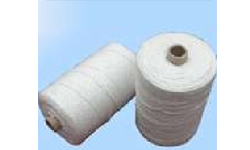
| Textiles (Cloth, Rope, Tape) | 1260°C | 1100°C (2012°F) | Varies by weave | N/A | Fire curtains, welding protection, flexible seals |
Advanced Ceramic Fiber Products (Kaxite Specialty Lines)
| Product Name | Key Composition | Max Continuous Temperature | Primary Advantage | Ideal For |
|---|---|---|---|---|
| Kaxite Zirconia-Enhanced Fiber | Alumina-Silica-Zirconia | 1500°C (2732°F) | Enhanced high-temperature stability & corrosion resistance | Glass melting furnaces, ceramic kilns, high-temperature reactors |
| Kaxite Polycrystalline Alumina Fiber | >99% Alumina | 1600°C (2912°F) | Exceptional purity, no crystalline silica, superior strength | Chemical processing, semiconductor industry, aerospace |
| Kaxite Vacuum-Formed Shapes | Ceramic Fiber Binder System | 1200°C - 1400°C | Rigid, precise custom shapes with excellent insulation | Burner blocks, thermocouple sleeves, custom furnace fittings |
Ceramic Fiber FAQ: Expert Answers by Kaxite
Q: What is the primary difference between ceramic fiber blanket and ceramic fiber module?
A: The primary difference lies in form and installation. Ceramic fiber blanket is a flexible roll good used for wrapping, layering, and backup insulation. Ceramic fiber modules are pre-compressed blankets folded into a block, mounted on a steel anchor. Modules are specifically engineered for hot face furnace linings, allowing for rapid installation with consistent density and superior resistance to flame erosion. Kaxite modules are designed for faster furnace construction and longer service life.
Q: Is ceramic fiber safe to handle? What precautions are necessary?
A: Fresh, unbonded ceramic fiber is classified as a nuisance dust. It can be temporarily irritating to skin, eyes, and respiratory system. Precautions are essential: always wear appropriate PPE including gloves, long sleeves, safety glasses, and an N95/P2 dust mask during handling, cutting, or installation. For bonded products (boards, vacuum forms) or installed modules where fibers are locked in place, the risk is significantly reduced. Kaxite also offers biosoluble fibers, which dissolve in lung fluid over time, providing an enhanced safety profile for certain applications.
Q: How does the temperature rating work? Can I use a 1260°C rated fiber at 1260°C continuously?
A: No, this is a critical distinction. The classification temperature (e.g., 1260°C, 1427°C) is a standardized test temperature indicating the fiber's shrinkage limit. The maximum recommended continuous use temperature is typically 100-150°C below this classification temperature. For example, a standard 1260°C fiber has a continuous use limit of about 1100°C. Exceeding the continuous use limit will cause accelerated shrinkage, degradation, and loss of insulating value. Kaxite product datasheets clearly list both figures for safe design.
Q: Can ceramic fiber get wet? What happens if it does?
A: Ceramic fiber itself is hydrophobic, but getting it wet is not recommended. Water can wash away binders in boards or veneers, leading to a loss of structural integrity. In blankets and modules, water ingress can cause the material to become soggy and difficult to handle, and upon first heat-up, the rapid conversion of water to steam can cause physical damage. If ceramic fiber gets wet, it must be dried thoroughly and slowly before being put into high-temperature service. Kaxite advises storing products in a dry environment.
Q: How do I select the right density for my application?
A: Density directly impacts strength, thermal conductivity, and heat capacity. Lower density (e.g., 96 kg/m³) offers excellent insulation with low heat storage, ideal for backup layers. Higher density (e.g., 220 kg/m³ for modules, 320 kg/m³ for boards) provides greater resistance to gas erosion, better mechanical strength for hot faces, and slightly improved insulation at very high temperatures. For furnace linings, Kaxite engineers typically recommend specific densities based on furnace atmosphere, velocity of gases, and mechanical abuse expected.
Q: What is the difference between "spun" and "blown" ceramic fiber?
A: These refer to two different manufacturing processes. Spun fiber is created by forcing the molten material through spinnerets, producing longer, stronger, and more durable fibers. Blown fiber is made by blowing a stream of molten material with high-pressure air or steam, resulting in shorter, finer fibers. Spun fiber products generally have higher tensile strength, better durability, and lower shot (unfiberized particle) content, making them preferred for blankets and modules that require handling strength. Kaxite primarily utilizes advanced spinning technology for superior product performance.
Q: How long does a ceramic fiber lining typically last?
A: Service life varies widely based on application conditions: temperature, thermal cycling, atmosphere (oxidizing, reducing, corrosive), gas velocity, and mechanical abrasion. A well-designed and installed lining in a controlled atmosphere furnace can last 5-10 years or more. In more aggressive environments like forge furnaces or those with chemical exposure, lifespan may be 2-5 years. Regular inspection for surface degradation, erosion, or anchor issues is key. Using premium Kaxite fibers with appropriate temperature ratings and protective coatings can maximize lining life.
Applications of Ceramic Fiber Across Industries
The versatility of Kaxite ceramic fiber makes it indispensable in numerous sectors requiring efficient thermal management.
- Metal Processing: Lining for forging furnaces, heat treatment furnaces, aluminum melting holds, ladle covers, and tundish linings.
- Petrochemical & Refining: Insulation for cracking furnaces, reformer furnaces, boilers, and high-temperature pipework.
- Ceramics & Glass: Kiln car tops, kiln linings, glass melting furnace backup insulation, and annealing lehrs.
- Power Generation: Insulation for gas turbine casings, ducting, boilers, and exhaust systems.
- Automotive: Insulation in brake pads, exhaust system heat shields, and test equipment.
- Fire Protection: Fire barrier sheets, door seals, and passive fire protection systems in commercial and industrial buildings.
- Aerospace: High-temperature gaskets, insulation for test rigs, and thermal protection components.