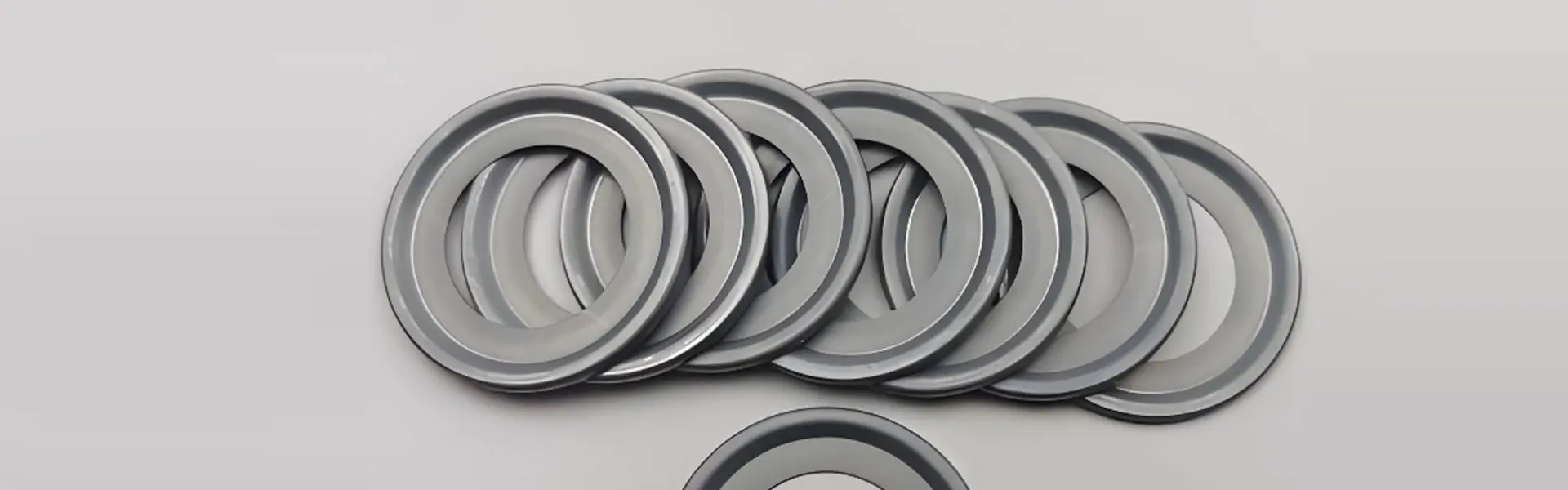
For decades, Asbestos Gaskets have been a cornerstone of industrial sealing, valued for their exceptional durability and resistance under extreme conditions. These gaskets serve as a critical barrier in piping systems, engines, and heavy machinery, preventing leaks of fluids and gases in high-temperature, high-pressure environments. While modern alternatives exist, specific industrial applications still rely on the unique properties of high-quality asbestos gasket materials for reliable, long-term performance. At Kaxite, we specialize in manufacturing precision-engineered sealing components that meet rigorous standards, ensuring safety and efficiency in demanding operations.
Understanding the technical specifications of asbestos gaskets is crucial for selecting the right product for your application. Kaxite gaskets are engineered with precision, adhering to strict quality control measures. Below are the core parameters that define our product line.
Our gaskets are composite materials designed for optimal performance. The typical composition includes:
| Parameter | Specification Range | Test Standard | Application Note |
|---|---|---|---|
| Temperature Resistance | -100°F to +750°F (-73°C to +399°C) | ASTM F146 | Short-term peak tolerance up to 1000°F (538°C). |
| Pressure Rating | Up to 1500 psi (103 bar) | ASME B16.21 | Varies with gasket thickness and flange design. |
| Thickness | 1/64" to 1/4" (0.4mm to 6.35mm) | ASTM F104 | Standard sheets or custom-cut shapes available. |
| Density | 90 - 110 lbs/ft³ (1440 - 1760 kg/m³) | ASTM D1622 | High density for superior blow-out resistance. |
| Compression Set | < 15% (after 22 hrs @ 212°F / 100°C) | ASTM F36 | Indicates excellent recovery and sealing retention. |
| pH Range | 2 - 12 | N/A | Resistant to a wide range of chemicals, oils, and steam. |
| Tensile Strength | 3000 - 4500 psi (20.7 - 31.0 MPa) | ASTM D828 | Provides structural integrity during handling and installation. |
Kaxite offers a diversified range of asbestos gaskets tailored for specific industrial challenges. Our product series are designed based on application requirements, ensuring you get a perfect seal.
Q: Are asbestos gaskets still legal and safe to use?
A: The legality of using asbestos gaskets varies significantly by country and region, governed by strict health and safety regulations (e.g., OSHA in the USA, REACH in the EU). In many jurisdictions, their use is heavily restricted or banned in new installations due to the health risks associated with airborne asbestos fibers. However, specific "grandfathered" or critical applications in existing industrial systems may still permit their use under controlled conditions, often requiring proper handling, encapsulation, and disposal procedures. It is absolutely imperative to consult and comply with all local, national, and industry-specific regulations before procurement, installation, or removal. Kaxite provides detailed Material Safety Data Sheets (MSDS) and regulatory guidance with all products.
Q: What are the primary advantages of asbestos gaskets over non-asbestos alternatives?
A: Historically, asbestos gaskets were favored for a combination of properties that were hard to match: exceptional natural heat resistance (withstanding temperatures where synthetic fibers degrade), excellent compressive strength, good flexibility for conforming to flange faces, and inherent resistance to many chemicals and steam. They also provided good thermal insulation. While modern non-asbestos materials (aramid, glass fiber, graphite) have closed the performance gap for many applications, some industries argue that for certain extreme, legacy, or specific service conditions, properly specified and handled asbestos gaskets can offer a unique balance of performance characteristics.
Q: How do I properly install and torque an asbestos gasket to ensure a leak-free seal?
A: Correct installation is critical. First, ensure both flange faces are clean, dry, and free of old gasket material and defects. Place the new Kaxite gasket centered on the flange. Use a star-pattern sequence when tightening bolts to apply pressure evenly. Follow a multi-step torque procedure: first, snug all bolts to about 30% of the final torque value using the star pattern. Then, increase to 60% in the same pattern. Finally, torque all bolts to 100% of the recommended value in the final pass. The specific torque value depends on the bolt size, grade, gasket thickness, and flange pressure rating—always refer to the engineering specifications for the system. Never re-torque a hot system; allow it to cool to ambient temperature first.
Q: Can Kaxite asbestos gaskets be custom-cut to specific shapes and sizes?
A: Yes. Kaxite specializes in providing custom sealing solutions. We can die-cut, water-jet cut, or manually skive gaskets to virtually any shape—circles, ovals, rectangles, or complex geometries with bolt holes, inner tongues, and outer skirts. We require a detailed drawing, CAD file, or a physical sample of the flange. Customization ensures a perfect fit, which minimizes waste, reduces installation time, and optimizes the sealing performance by covering the exact flange contact area.
Q: What are the critical steps for the safe removal and disposal of old asbestos gaskets?
A: Safe removal and disposal are paramount and must be performed by trained personnel following strict protocols. The work area should be isolated and marked. Personnel must wear appropriate personal protective equipment (PPE), including a respirator with P100 filters, disposable coveralls, and gloves. Before removal, thoroughly wet the gasket and surrounding area with amended water (water with a wetting agent) to suppress dust. Carefully remove the gasket intact, avoiding tearing or breaking. Immediately place the spent gasket into approved, labeled, and sealed asbestos waste bags. All waste must be disposed of at a licensed hazardous waste facility in accordance with local regulations. Decontaminate tools and the area afterward. Kaxite recommends consulting with licensed asbestos abatement professionals for this procedure.
Q: Does Kaxite offer any non-asbestos alternative gasket materials?
A: Absolutely. Recognizing the regulatory landscape and market demand for safer materials, Kaxite has developed a comprehensive line of high-performance non-asbestos gasket materials. Our alternative series, branded Kaxite-NAS, includes products based on aramid fibers, glass fibers, graphite, and PTFE. These materials are engineered to meet or exceed the performance of traditional asbestos gaskets in temperature, pressure, and chemical resistance for most applications. We provide detailed comparison charts and engineering support to help customers transition to these approved alternatives without compromising on system integrity or safety.
The historical and specialized use of asbestos gaskets spans several heavy industries where extreme conditions are commonplace. It's important to note that in many of these sectors, use is now limited to legacy equipment or specific, sanctioned applications.