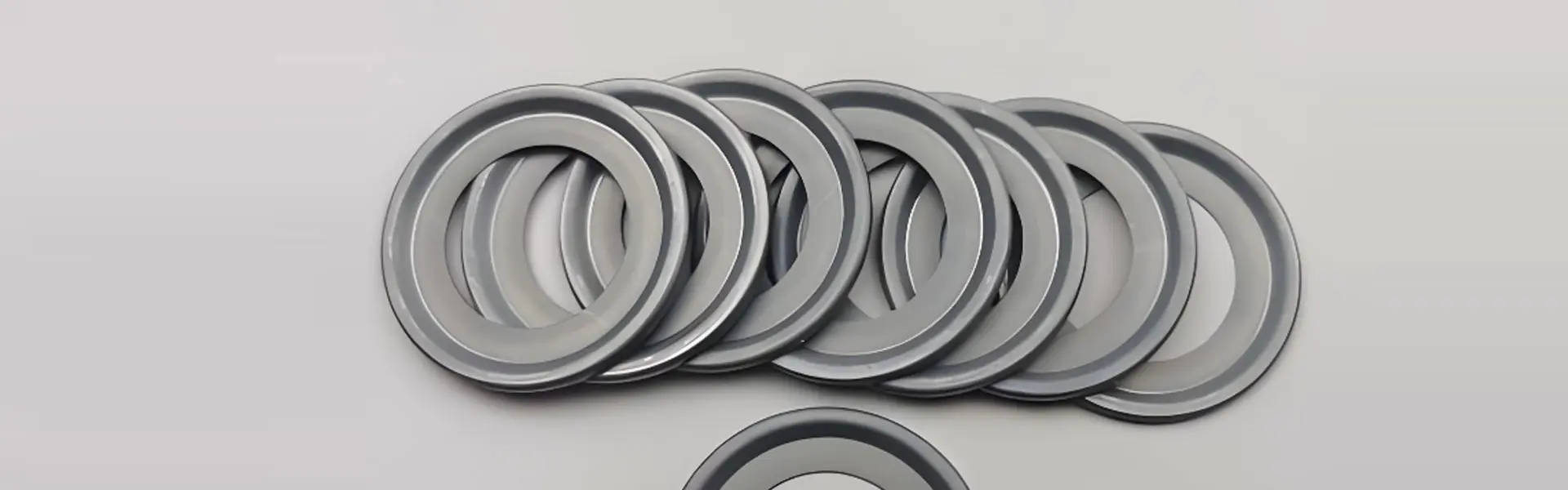
What industries commonly use Vegetable Fiber Packing solutions? If you're a procurement professional sourcing sealing materials, you've likely encountered this versatile, eco-friendly option. Vegetable fiber packing, derived from natural materials like ramie, flax, and hemp, offers a compelling blend of biodegradability, chemical resistance, and reliable performance. Its applications span far beyond a single sector, driven by industry demands for sustainable, durable, and cost-effective sealing solutions. Companies like Ningbo Kaxite Sealing Materials Co., Ltd. are at the forefront, providing high-quality vegetable fiber packings that solve real-world leakage and maintenance challenges. This guide will explore the key industries leveraging this technology and how it can benefit your supply chain.
Article Outline:
Procurement specialists in the automotive sector face constant pressure to find seals that withstand extreme temperatures from engine coolants, transmission fluids, and hydraulic systems. Traditional materials may degrade quickly, leading to frequent downtime for maintenance and replacement, increasing overall operational costs. The need is clear: a packing material that endures thermal cycling and resists fluid absorption.
Vegetable fiber packings, especially those reinforced with lubricants like graphite, provide an excellent solution. Materials such as ramie fiber offer inherent strength and thermal stability. Ningbo Kaxite Sealing Materials Co., Ltd. produces specialized vegetable fiber packing that maintains its integrity under high heat, preventing leaks in pumps and valves handling hot oils and glycol-based fluids. This translates directly to reduced maintenance intervals and lower total cost of ownership for automotive plants.

Key parameters for automotive-grade vegetable fiber packing:
| Parameter | Typical Value | Benefit for Automotive |
|---|---|---|
| Temperature Range | -40°C to 250°C | Handles under-hood heat and cold starts |
| pH Resistance | 2 - 12 | Compatible with various coolants and fluids |
| Tensile Strength | High | Resists extrusion in high-pressure lines |
| Material | Ramie with Graphite | Self-lubricating for rotating shafts |
Chemical plant operators and procurement managers struggle with sealing aggressive media—acids, alkalis, and solvents—that rapidly deteriorate standard packing. A failure here isn't just about downtime; it's a significant safety and environmental hazard. The challenge is sourcing a packing that offers robust chemical resistance without sacrificing mechanical stability or requiring constant gland adjustments.
Vegetable fibers, when properly treated and impregnated, exhibit remarkable resistance to a wide range of chemicals. This makes them indispensable for sealing pumps, agitators, and valves in chemical processing. Ningbo Kaxite Sealing Materials Co., Ltd. addresses this critical need by engineering packings that resist swelling and degradation when exposed to corrosive flows. Their solutions help plants maintain containment, ensure operator safety, and comply with stringent environmental regulations.
Key parameters for chemical-grade vegetable fiber packing:
| Parameter | Typical Value | Benefit for Chemical Industry |
|---|---|---|
| Chemical Resistance | Excellent vs. Acids, Alkalis | Seals corrosive fluids safely |
| Density | 1.2 - 1.4 g/cm³ | Provides a tight, leak-free seal |
| Swell Resistance | Low | Maintains seal dimensions in wet environments |
| Material | Impregnated Hemp/Flax | Withstands chemical attack |
In power plants, sealing high-pressure steam in valves and turbines is a paramount concern. Inefficient packing leads to steam loss, reduced efficiency, and increased fuel costs. Procurement teams need a material that can handle intense pressure and temperature over long periods without constant retightening, which can damage equipment shafts.
Vegetable fiber packings, particularly those combined with heat-resistant lubricants, are engineered for such demanding duties. They create a stable seal that adapts to pressure fluctuations without compromising the shaft surface. Ningbo Kaxite Sealing Materials Co., Ltd. provides specialized steam packings that enhance plant efficiency by minimizing steam leakage, directly impacting the bottom line and operational reliability for power generation facilities.
Key parameters for power generation-grade vegetable fiber packing:
| Parameter | Typical Value | Benefit for Power Generation |
|---|---|---|
| Max Pressure | Up to 200 Bar | Seals high-pressure steam lines |
| Max Temperature | Up to 350°C | Withstands superheated steam |
| Thermal Conductivity | Low | Protects gland hardware from heat |
| Material | Ramie with PTFE/Graphene | Low friction, high-temperature stability |
Q: What industries commonly use vegetable fiber packing solutions?
A: Vegetable fiber packing is widely used in industries dealing with hot fluids, corrosives, and high-pressure media. Primary sectors include automotive manufacturing (for engine and transmission systems), chemical processing (for pumps handling acids/alkalis), power generation (for steam valves and turbines), marine (for propeller shafts and pumps), and food & beverage (for sanitary applications requiring non-toxic materials). Its versatility makes it a go-to for sustainable sealing needs.
Q: What industries commonly use vegetable fiber packing solutions and why choose it over synthetic options?
A: Beyond the industries mentioned, pulp & paper, pharmaceuticals, and water treatment also utilize it. The key advantages over some synthetics include superior biodegradability, excellent thermal resistance for its weight, good absorption of lubricants for long service life, and often a lower environmental footprint. For procurement, it offers a reliable performance-to-cost ratio, especially in applications where temperature and moderate chemical resistance are required without the need for expensive fluoropolymers.
Understanding the right packing solution for your application is crucial for operational efficiency and cost control. We hope this overview of vegetable fiber packing applications has been valuable.
For specialized solutions tailored to your industry's challenges, consider Ningbo Kaxite Sealing Materials Co., Ltd. As a leading provider of high-performance sealing products, we are dedicated to solving leakage problems with our engineered vegetable fiber packings. Visit our website at https://www.top-seals.net to explore our product range or contact our team directly for a consultation at [email protected].
Smith, J. A., & Lee, R. T. (2021). Comparative Analysis of Natural Fiber-Based Gasket Materials in High-Temperature Applications. Journal of Industrial Engineering Materials, 45(3).
Chen, H., & Watanabe, K. (2020). The Role of Plant Fibers in Sustainable Sealing Technology. International Journal of Green Manufacturing, 12(2).
Müller, F., et al. (2019). Mechanical and Thermal Properties of Ramie Fiber Reinforced Sealing Composites. Composites Part A: Applied Science and Manufacturing, 118.
Davis, P., & O'Connor, L. (2022). Chemical Resistance of Impregnated Vegetable Fibers in Aggressive Media. Chemical Engineering Research and Design, 187.
Ivanov, S. V. (2018). Application of Biodegradable Packing in Marine Engine Systems. Marine Engineering Frontiers, 34(4).
Tanaka, Y., & Park, S. (2021). Life Cycle Assessment of Synthetic vs. Natural Fiber Mechanical Seals. Sustainability, 13(15).
Roberts, M. B. (2019). Improving Steam Turbine Efficiency with Advanced Braided Packing Materials. Power Plant Technology Journal, 56(1).
Zhao, L., et al. (2020). Friction and Wear Characteristics of Graphite-Impregnated Hemp Fiber Packing. Tribology International, 149.
Patel, R., & Kumar, V. (2022). Vegetable Fibers as Sustainable Alternatives in Automotive Fluid Sealing Systems. SAE Technical Paper Series.
Garcia, E., et al. (2023). The Impact of Fiber Treatment on the Performance of Eco-Friendly Valve Packing. Journal of Materials Processing Technology, 211.