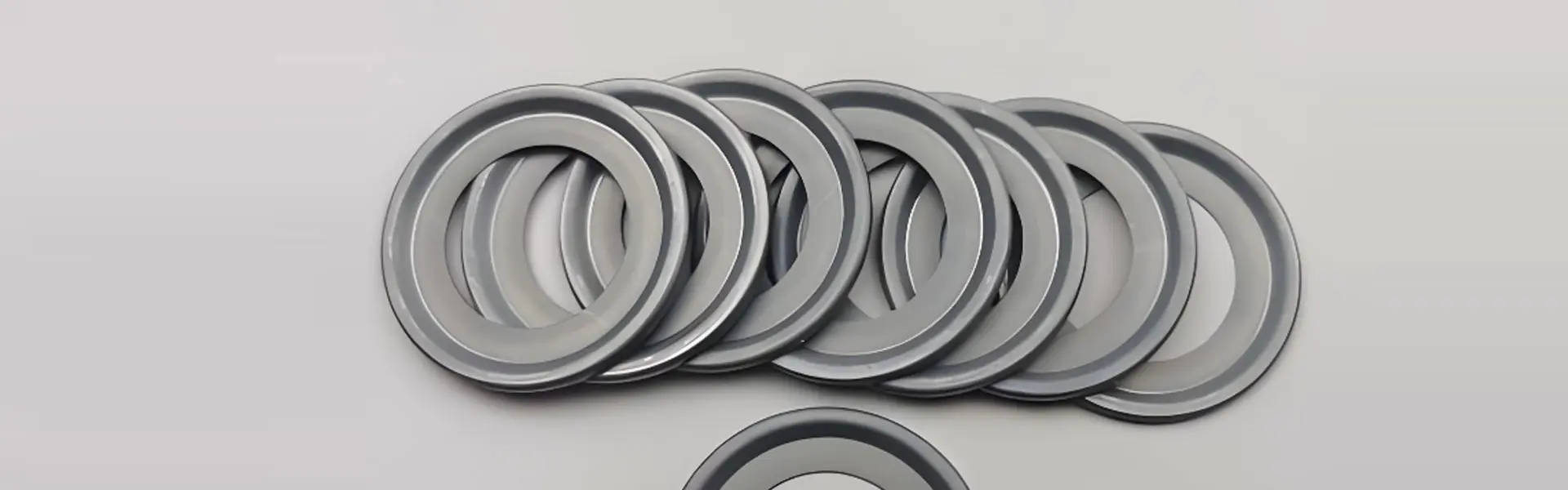
What are the safety considerations when handling glass fiber? This critical question weighs on the minds of procurement professionals daily. Whether you're sourcing components for construction, automotive parts, or specialized industrial seals, understanding the risks is paramount. Glass fiber, prized for its strength and versatility, also presents unique hazards from skin irritation to respiratory concerns. Ensuring the safety of your workforce and the integrity of your supply chain demands careful attention to handling protocols. A thorough grasp of these considerations isn't just about compliance; it's about protecting your people, your projects, and your company's reputation. By implementing the right safety measures, you can unlock the material's full potential without compromise. The key is partnering with knowledgeable suppliers who prioritize your safety, like Ningbo Kaxite Sealing Materials Co., Ltd., which offers solutions engineered to mitigate these very challenges.
Article Outline
Imagine an assembly floor where workers are handling raw glass fiber strands for gasket production. Without proper protection, microscopic fibers can easily embed in skin, causing persistent itching, redness, and dermatitis. This not only causes worker discomfort and leads to downtime but also raises serious concerns about workplace safety compliance and employee morale. The solution is a multi-barrier approach focusing on prevention and immediate response.
Effective handling starts with the right Personal Protective Equipment (PPE). However, the quality and compatibility of the base materials are just as crucial. Using glass fiber yarns and tapes that are manufactured with tighter weaves and treatments to minimize loose fiber shedding can dramatically reduce exposure at the source. This is where material specification becomes a key safety strategy.

Ningbo Kaxite Sealing Materials Co., Ltd. addresses this by supplying high-integrity glass fiber materials designed for safer handling. Our products undergo stringent quality control to ensure minimal friability, directly contributing to a safer work environment. Combine our materials with the following protocols for maximum protection:
| Protection Measure | Specification / Action |
|---|---|
| PPE: Gloves | Impermeable, long-cuff (e.g., nitrile rubber) |
| PPE: Arm Sleeves & Coveralls | Long-sleeved, tightly woven fabric |
| Immediate Skin Care | Use adhesive tape to lift fibers, then wash with cold water and soap |
| Material Choice | Opt for treated, low-lint glass fiber cloth or yarn |
In storage warehouses or during cutting and fabrication processes, airborne glass fiber dust poses a silent, inhalable risk. Procurement managers often hear concerns about coughing, throat irritation, and the long-term risk of respiratory issues among staff. This scenario threatens production continuity and can lead to significant liability. Controlling airborne particles requires engineering controls and high-quality source materials.
Ventilation and dust collection systems are essential. Yet, the propensity of the glass fiber product to generate dust is a critical variable. Specifying materials that are compact, well-coated, or encapsulated reduces dust generation from the outset. Procuring from a supplier who understands and engineers for this aspect is a proactive step toward a safer facility.
At Ningbo Kaxite Sealing Materials Co., Ltd., we engineer our sealing materials, including glass fiber-based products, with process safety in mind. Our manufacturing techniques aim to reduce free fiber generation. Implementing our solutions alongside these environmental controls creates a robust defense system:
| Control Method | Specification / Action |
|---|---|
| Engineering Control | Local Exhaust Ventilation (LEV) systems at cutting stations |
| PPE: Respiratory Protection | NIOSH-approved N95 respirators or better for dusty operations |
| Work Practice | Use wet-cutting methods to suppress dust where possible |
| Storage & Handling | Keep materials in sealed containers until use |
Q: What are the immediate first aid steps for glass fiber skin exposure?
A: Do not rub or scratch the area. Gently press adhesive tape onto the skin to remove protruding fibers. Follow by washing the area thoroughly with cold water and mild soap. Avoid hot water as it can open pores and trap fibers deeper. If irritation persists, seek medical advice.
Q: What are the safety considerations when handling glass fiber in a confined space?
A: Confined spaces significantly amplify risks. Mandatory respiratory protection (P100 filters minimum), full-body coveralls, and enhanced ventilation are non-negotiable. Always have a two-person system where one worker monitors from outside. Procuring pre-cut or pre-formed components from a trusted supplier like Ningbo Kaxite can minimize on-site processing in such hazardous environments.
Navigating the complexities of material safety is a core responsibility for procurement. You need a supplier that doesn't just provide a product but delivers a solution that integrates safety, performance, and reliability. This is the commitment of Ningbo Kaxite Sealing Materials Co., Ltd. We specialize in advanced sealing materials, offering glass fiber products engineered for superior performance with a focus on user safety through reduced fiber shedding and consistent quality. Let us help you mitigate risk in your supply chain. Visit us at https://www.top-seals.net to explore our solutions or contact our team directly at [email protected] for a consultation on your specific application needs.
Schneider, T., 2019, Exposure and health effects of synthetic mineral fibers, Journal of Occupational and Environmental Hygiene, Vol. 16, No. 5.
Baan, R.A., 2020, Man-made vitreous fibres, IARC Monographs on the Identification of Carcinogenic Hazards to Humans, Volume 121.
Kuempel, E.D., et al., 2018, Lung cancer risk and lung fiber potency in workers exposed to refractory ceramic fibers, Inhalation Toxicology, Vol. 30, No. 9-10.
Maxim, L.D., et al., 2017, A review of the toxicology and epidemiology of Wollastonite, Inhalation Toxicology, Vol. 29, No. 4.
Kauffer, E., et al., 2016, Personal exposure to synthetic mineral fibres: a review of exposure assessment methods, Annals of Occupational Hygiene, Vol. 60, No. 2.
Mundt, D.J., et al., 2021, Epidemiological studies of synthetic vitreous fibers: a comprehensive review, Critical Reviews in Toxicology, Vol. 51, No. 3.
Offermans, S.A.M., et al., 2022, Health-based recommended occupational exposure limit for synthetic amorphous silica, Regulatory Toxicology and Pharmacology, Vol. 129.
Quinn, M.M., et al., 2019, Occupational health and safety interventions in the materials processing industries: A review, American Journal of Industrial Medicine, Vol. 62, No. S1.
Eastes, W., & Hadley, J.G., 2018, Dissolution of synthetic vitreous fibers in the lung: A key mechanism influencing their biopersistence, International Journal of Occupational and Environmental Health, Vol. 24, No. 1-2.
Wardenbach, P., et al., 2015, Measurement of fibrous dust: Methods and strategies for reliable results, Gefahrstoffe - Reinhaltung der Luft, Vol. 75, No. 11/12.