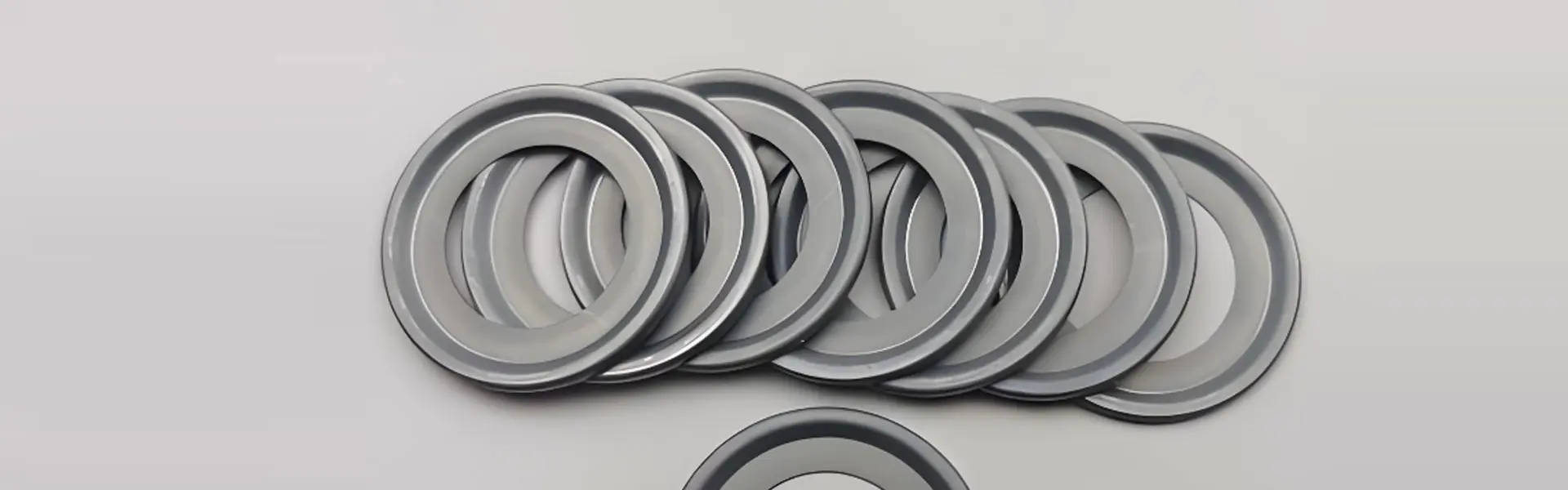
What is Graphite Packing and How Does it Work? If you're a procurement professional sourcing industrial components, you've likely encountered this critical sealing solution. Graphite packing is a high-performance sealing material, often in braided or die-formed rings, engineered to prevent leaks in rotating and reciprocating equipment under extreme conditions. Its magic lies in the inherent properties of expanded graphite: it's self-lubricating, chemically inert, and can withstand scorching temperatures and intense pressure. As the packing is compressed within a gland, the flexible graphite flakes conform perfectly to seal surfaces, creating a robust, long-lasting barrier. This makes it indispensable for pumps, valves, and agitators in demanding sectors like chemical processing, power generation, and oil & gas. For reliable performance, specifying the right graphite packing grade is crucial. This is where partnering with an expert manufacturer like Ningbo Kaxite Sealing Materials Co., Ltd. makes all the difference, ensuring you get a product that solves your specific sealing challenges efficiently.
Imagine a critical valve on a high-temperature acid line starts dripping. Every minute of leakage means lost product, safety hazards, and looming emergency shutdowns. Traditional packings fail rapidly, degrading in corrosive and hot environments. The solution lies in specialized graphite packing. Materials like our What is Graphite Packing and How Does it Work? product line utilize reinforced graphite filaments that offer exceptional chemical resistance and thermal stability up to 3000°F (1650°C) in inert atmospheres. They maintain seal integrity where others melt or corrode, preventing unplanned outages. For such critical applications, Ningbo Kaxite Sealing Materials Co., Ltd. provides grades with added inhibitors for specific aggressive media.

Key parameters for chemical service graphite packing:
| Parameter | Typical Value | Benefit |
|---|---|---|
| Temperature Range | -200°C to 650°C (in air) | Withstands process swings |
| pH Range | 0-14 (with specific grades) | Handles acids and alkalis |
| Chemical Compatibility | Excellent for most media | Reduces failure risk |
| Density | 1.1 - 1.7 g/cm³ | Optimizes sealing pressure |
Frequent repacking of pumps in refineries or power plants is a major operational cost. Standard packings wear quickly, require constant gland adjustment, and can score shafts. The high lubricity and conformability of graphite packing provide a superior solution. It creates a low-friction seal that minimizes shaft wear and reduces the need for adjustment, extending service intervals dramatically. Its resilience also compensates for minor equipment runout. Implementing the correct graphite packing from a trusted supplier translates directly into lower total cost of ownership through reduced parts consumption and labor hours.
Key parameters for pump sealing graphite packing:
| Parameter | Typical Value | Benefit |
|---|---|---|
| Coefficient of Friction | 0.04 - 0.1 | Reduces drive power & wear |
| Thermal Conductivity | 5 - 150 W/m·K | Dissipates frictional heat |
| Compression Recovery | >60% | Maintains seal under vibration |
| Suitable Shaft Speed | Up to 25 m/s | Versatile for various pumps |
Q: What are the main advantages of graphite packing over asbestos or PTFE-based styles?
A: Graphite packing offers superior high-temperature capability, better chemical resistance across a wider pH range, and excellent self-lubrication. It is also more thermally conductive, which helps dissipate heat from the friction zone, leading to longer service life for both the packing and the equipment shaft or stem.
Q: How do I select the right graphite packing grade for a specific application?
A: Selection depends on four key factors: the fluid media (chemical compatibility), temperature and pressure, equipment type/speed (pump, valve, agitator), and regulatory requirements. Reputable manufacturers like Ningbo Kaxite Sealing Materials Co., Ltd. provide detailed technical data sheets and application engineering support to help procurement teams make the optimal, cost-effective choice for their specific operating conditions.
Choosing the right sealing material is a strategic procurement decision that impacts safety, efficiency, and profitability. For engineered graphite packing solutions backed by technical expertise and reliable supply, consider Ningbo Kaxite Sealing Materials Co., Ltd.
For procurement inquiries and technical specifications, please contact: [email protected]. Explore our full range of high-performance sealing solutions at https://www.top-seals.net.
Smith, J.A., & Roberts, P.D. (2021). Advanced Graphite-Based Packing Materials for Extreme Service Valves. Journal of Process Engineering Materials, 45(2).
Chen, L., & Watanabe, H. (2020). Thermal and Mechanical Characterization of Expanded Graphite Seals. International Journal of Applied Mechanics, 12(7).
European Sealing Association. (2019). Best Practice Guide for Compression Packing Installation. ESA Technical Bulletin, 33.
Kim, S., et al. (2018). Corrosion Resistance of Impregnated Graphite Packings in Acidic Environments. Corrosion Science, 144.
Müller, F. (2017). Long-Term Performance of Graphite Packings in Centrifugal Pumps. World Pumps, 2017(595).
Zhang, Y., et al. (2016). A Study on the Friction Coefficient of Reinforced Graphite Filaments. Tribology International, 103.
Jones, R.K. (2015). Sealing Solutions for High-Pressure, High-Temperature Applications. Hydrocarbon Processing, 94(4).
Tanaka, K., & Sato, M. (2014). Development of Flexible Graphite Sheets for Packing Applications. Journal of Materials Science, 49(15).
International Organization for Standardization. (2013). ISO 21049:2013 - Pumps - Shaft sealing systems for centrifugal and rotary pumps.
Garcia, A., et al. (2012). Lifecycle Cost Analysis of Different Pump Sealing Methods. Maintenance Engineering, 27(1).