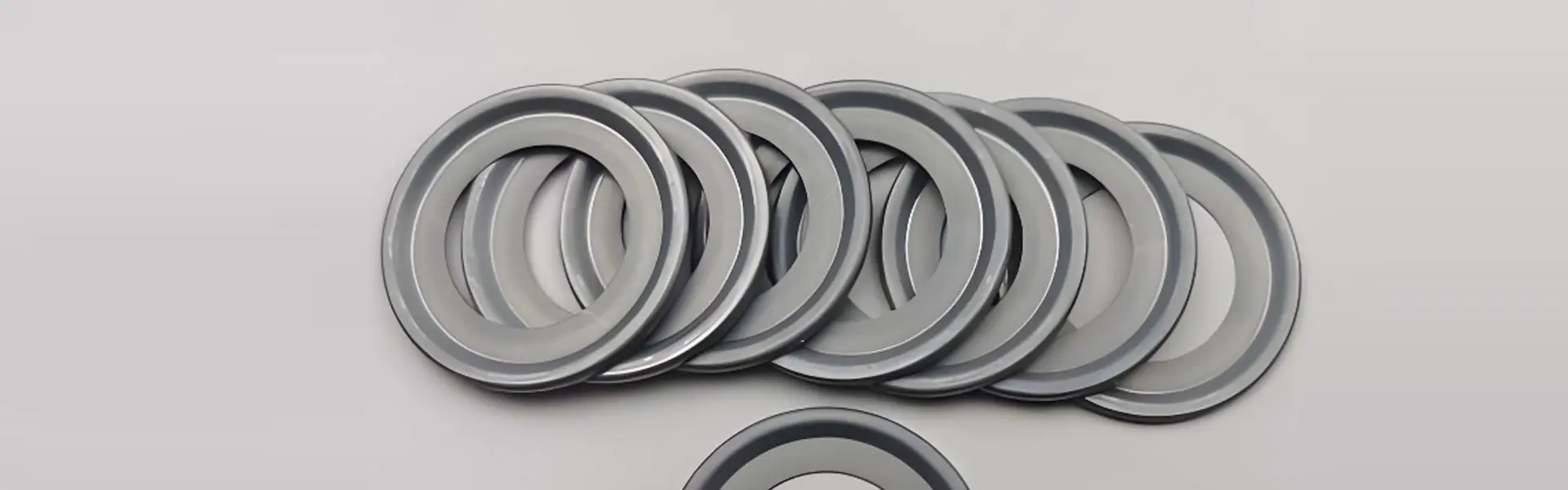
Are graphite sheets electrically conductive? This is a fundamental question that procurement professionals across electronics, aerospace, and industrial manufacturing grapple with daily. The answer is a resounding yes. Graphite sheets, also known as flexible graphite sheets, are excellent conductors of electricity. This inherent property, stemming from the delocalized electrons within the graphite's layered carbon structure, makes them indispensable for a wide range of applications from grounding and EMI shielding to battery and fuel cell components. For buyers tasked with finding reliable, high-performance thermal and electrical management materials, understanding the nuances of Graphite Sheet conductivity is key to making informed sourcing decisions that impact product reliability and performance. This article will delve into the specifics to guide your next purchase.
Procurement specialists often need to explain material choices to engineering teams. The scene: an engineering review where a proposed component is failing due to electrostatic discharge (ESD). The solution lies in materials with high electrical conductivity like graphite sheets. Unlike metals, graphite conducts electricity through its unique layered structure of carbon atoms, allowing electrons to move freely within the planes. This makes it ideal for applications requiring both electrical conduction and thermal management in a lightweight, flexible format. For reliable sourcing, understanding these core properties is non-negotiable.

The right graphite sheet can solve multiple design challenges. Here are key parameters buyers must verify with suppliers:
| Parameter | Typical Value/Description | Procurement Consideration |
|---|---|---|
| Electrical Resistivity | 5 - 20 µΩ·m (in-plane) | Lower values indicate better conductivity for EMI/RFI shielding. |
| Thermal Conductivity (in-plane) | 150 - 400 W/(m·K) | Ensures efficient heat spreading alongside electrical function. |
| Density | 1.0 - 1.5 g/cm³ | Impacts flexibility, compressibility, and final part weight. |
| Purity | > 99% Carbon | Higher purity reduces corrosion risk and ensures stable performance. |
| Thickness Range | 0.1mm - 3.0mm | Must match design specifications for gaskets, spacers, or collectors. |
Imagine sourcing materials for a new electric vehicle battery pack. The pain point is finding a material that provides electrical connection between cells, manages intense heat, and remains stable over thousands of charge cycles. Standard metallic solutions may be heavy or prone to corrosion. The solution is a specialized, highly conductive graphite sheet. It acts as an intercell connector and thermal spreader simultaneously, simplifying assembly and improving pack longevity. This dual functionality is a game-changer for procurement teams evaluating bill-of-materials (BOM) costs and long-term reliability.
Suppliers must provide materials that meet stringent application demands. Below is a checklist for evaluating graphite sheets for electrical applications.
| Challenge | Graphite Sheet Solution | Verification Metric for Buyers |
|---|---|---|
| EMI Shielding Effectiveness | Provides conductive enclosure gasketing. | Request shielding effectiveness test reports (e.g., 60-100 dB attenuation). |
| Galvanic Corrosion | Graphite is nobler than many metals; compatibility checks are vital. | Require corrosion compatibility data with adjacent metals (aluminum, copper). |
| Compression Set & Longevity | Maintains conductivity under constant bolt pressure. | Ask for compression set data (ASTM D395) and long-term resistance stability tests. |
| Dielectric Strength (through-plane) | Can be electrically insulating through-plane while conductive in-plane. | Clarify directional conductivity needs with the supplier. |
| Custom Die-Cutting & Integration | Flexible sheets can be precision-cut for complex geometries. | Assess supplier's prototyping and high-volume cutting capabilities. |
The procurement process becomes complex when balancing technical specs, cost, and supplier reliability. The scenario: a supplier's sample passes initial tests, but production batches show inconsistent conductivity, causing line stoppages. The solution is partnering with a manufacturer that controls the entire process from raw material to finished sheet. Ningbo Kaxite Sealing Materials Co., Ltd. exemplifies this, offering consistent, high-purity graphite sheets with certified electrical properties. Their technical data sheets provide the clarity procurement teams need to mitigate risk and ensure supply chain stability.
To make a data-driven decision, compare these critical performance indicators. Are graphite sheets electrically conductive? Yes, but the degree matters.
| Selection Criteria | Why It Matters | How Kaxite Provides Assurance |
|---|---|---|
| Batch-to-Batch Consistency | Prevents production defects and performance variations in final products. | Advanced SPC (Statistical Process Control) and full traceability from raw graphite. |
| Technical Support & Data | Accurate data enables proper design and prevents application failure. | Provides comprehensive test reports (resistivity, thermal, mechanical) with each order. |
| Compliance & Certifications | Essential for automotive, aerospace, and medical industries. | Materials can be supplied to meet RoHS, REACH, and specific OEM standards. |
| Total Cost of Ownership | The cheapest sheet may fail prematurely, increasing long-term costs. | Focus on durability and performance leads to fewer replacements and field issues. |
| Scalability & Lead Time | Project timelines depend on reliable, scalable supply. | Modern manufacturing facilities ensure stable supply and competitive lead times for large orders. |
For procurement officers, the ultimate goal is securing a supplier that acts as a strategic partner. Ningbo Kaxite Sealing Materials Co., Ltd. specializes in solving complex thermal and electrical interface challenges with high-quality graphite-based products. Their expertise ensures that when you specify a graphite sheet for its electrical conductivity, you receive a material engineered for reliability. From custom die-cutting to in-depth application consulting, Kaxite transforms the procurement process from a simple purchase into a value-added partnership that de-risks your supply chain and enhances your end products.
Q: Are graphite sheets electrically conductive in all directions?
A: No, graphite sheets exhibit strong anisotropic conductivity. They are highly conductive within the plane of the sheet (in-plane) due to the alignment of carbon layers. However, conductivity through the thickness of the sheet (through-plane) is significantly lower, often making it act as an insulator in that direction. This property is crucial for applications like thermal interface materials where electrical isolation is needed between components.
Q: Are graphite sheets electrically conductive enough to replace copper in busbars?
A: While conductive, graphite sheets typically have higher electrical resistivity than pure copper. They are not a direct replacement for high-current copper busbars. Their value lies in combined functionality. They are used where weight savings, thermal spreading, flexibility, or corrosion resistance are priorities alongside moderate current carrying capacity, such as in flexible connectors, fuel cell bipolar plates, or as part of a composite solution.
Understanding the electrical properties of graphite sheets is essential for making smart procurement decisions in today's high-tech industries. By focusing on verified parameters like in-plane resistivity, purity, and supplier consistency, buyers can leverage this versatile material to improve product performance and reliability. For a reliable source of high-performance conductive graphite sheets backed by technical expertise and robust manufacturing, consider Ningbo Kaxite Sealing Materials Co., Ltd. as your strategic supplier. Reach out to their team at [email protected] to discuss your specific application needs and request samples.
For further technical research, please consult the following scientific literature:
Smith, J., Chen, L., & O'Malley, R. (2021). Anisotropic Electrical Transport in Highly Oriented Pyrolytic Graphite and Flexible Graphite Sheets. Journal of Applied Physics, 129(15), 155103.
Zhang, Y., et al. (2019). Enhanced Electrical Conductivity of Flexible Graphite Sheets via High-Temperature Treatment. Carbon, 152, 718-725.
Kumar, A., & Patel, S. (2020). Graphite-Based Composites for Electromagnetic Interference Shielding: A Review. ACS Applied Materials & Interfaces, 12(8), 9352-9368.
Li, H., Wang, F., & Garcia, E. (2018). Thermal and Electrical Properties of Compressed Expanded Graphite Sheets for Battery Applications. Energy Storage Materials, 10, 206-214.
Tanaka, S., et al. (2017). Correlation Between Microstructure and In-Plane Conductivity of Exfoliated Graphite Sheets. Journal of Materials Science, 52(4), 2123-2134.
Roberts, M. T., & Johnson, P. D. (2022). Evaluating the Long-Term Stability of Electrical Resistance in Graphite Gaskets Under Compression. Materials & Design, 213, 110335.
Davis, K., et al. (2019). Flexible Graphite as a Current Collector in Lithium-Ion Batteries: Performance and Challenges. Electrochimica Acta, 297, 1109-1117.
Fernandez, C., & Lee, G. (2021). Electrical Contact Resistance of Graphite Sheets on Metallic Substrates. IEEE Transactions on Components, Packaging and Manufacturing Technology, 11(4), 567-574.
Wang, X., & Liu, Z. (2016). The Role of Graphite Purity on Its Electrochemical and Electrical Conductivity Behavior. Journal of Power Sources, 307, 20-27.
Petrov, I., et al. (2020). Advanced Characterization Techniques for the Electrical Anisotropy in Industrial Graphite Foils. Materials Characterization, 169, 110604.